How Do I Know If My Collision Repair Estimate Requires ADAS Calibration?
Modern vehicles rely on Advanced Driver Assistance Systems (ADAS) to improve safety and assist drivers on the road. Even a minor collision can affect the sensors and cameras these systems depend on. Knowing whether your collision repair estimate requires ADAS calibration is essential. Missing a required calibration can compromise vehicle safety, create liability risks & lead to insurance documentation issues.
Quick Answer
You can determine whether a collision repair estimate requires ADAS calibration by reviewing the damaged components, checking OEM repair procedures, identifying any parts that were removed or replaced and confirming whether the repair affects cameras, radar sensors, lidar, steering, suspension or wheel alignment. Since manually researching every vehicle is time-consuming, many collision repair shops use ADAS reporting software to identify required calibrations and access supporting OEM documentation more efficiently.
How to Tell If Your Collision Repair Estimate Requires ADAS Calibration
Not every repair requires ADAS calibration. However many modern repairs involve components that directly affect driver assistance systems. The safest approach? Evaluate the repair estimate carefully before work begins. Following a structured process helps reduce missed calibrations, supports OEM compliance & improves repair planning.
Review the Vehicle’s ADAS Features
Start by identifying which ADAS features the vehicle is equipped with. Different makes, models & trim levels include different technologies & each may have unique calibration requirements.
Common ADAS features include:
- Forward Collision Warning
- Automatic Emergency Braking
- Lane Departure Warning
- Lane Keeping Assist
- Adaptive Cruise Control
- Blind Spot Monitoring
- Rear Cross Traffic Alert
- Parking Assist
- Surround View Cameras
- Traffic Sign Recognition
Understanding the vehicle’s equipment helps determine whether the damaged area could affect one or more safety systems.
Examine Which Parts Are Being Repaired or Replaced
The repair estimate often provides the first clue about whether calibration is necessary. If the repair involves components that support ADAS sensors or cameras, calibration may be required after repairs are completed.
Pay close attention to repairs involving:
- Windshield replacement
- Front or rear bumper replacement
- Side mirrors
- Grille assemblies
- Radar mounting brackets
- Cameras
- Steering components
- Suspension components
- Wheel alignment
- Front-end structural repairs
Even if an ADAS sensor is not directly damaged, removing or reinstalling nearby components can change its position enough to require recalibration according to OEM procedures.
Verify OEM Repair Procedures
Vehicle manufacturers publish repair procedures that specify when ADAS calibration is required. These procedures vary by manufacturer and even between different model years of the same vehicle.
OEM documentation may indicate calibration is necessary after:
- Replacing a windshield
- Performing wheel alignment
- Removing a front bumper
- Replacing a radar sensor
- Repairing structural damage
- Replacing steering or suspension parts
- Disconnecting certain electronic components
Following OEM procedures helps ensure the vehicle performs as designed and provides documentation that supports repair quality and insurer requirements.
Evaluate Repair Operations That Indirectly Affect ADAS
Many shops focus only on damaged sensors. However, ADAS calibration requirements often result from repairs that indirectly change sensor positioning.
Examples include:
- Suspension repairs that alter vehicle ride height
- Steering repairs that affect sensor angles
- Frame repairs that shift mounting locations
- Alignment adjustments after collision damage
- Tire size or wheel changes when specified by the manufacturer
These repairs may appear unrelated to ADAS, but they can influence how cameras and radar systems interpret the road.
Use Technology to Confirm Calibration Requirements
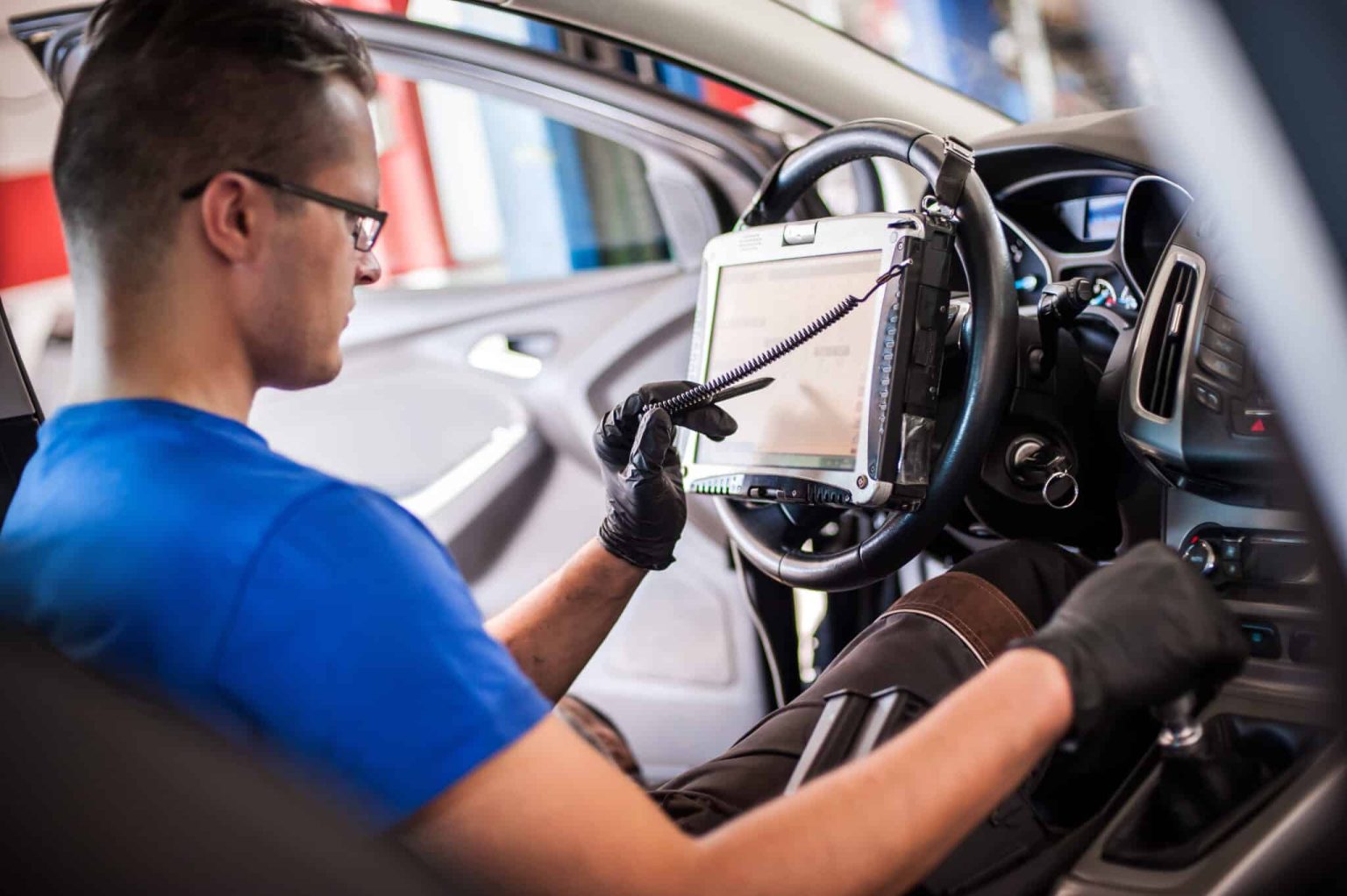
As vehicle technology becomes more complex, manually reviewing every estimate and researching OEM procedures can consume valuable production time. Shops managing multiple repairs each day often rely on AI-powered ADAS reporting software to streamline the process.
Instead of manually searching manufacturer documentation for every repair, reporting software can analyze the collision repair estimate, identify operations that may require calibration & provide supporting OEM documentation. This helps estimators make informed repair decisions, improve documentation & reduce the risk of overlooked calibration requirements.
While software supports the decision-making process, repair facilities should always follow current OEM repair procedures before performing repairs or calibrations.
Why Can a Minor Collision Still Require ADAS Calibration?
Many people assume ADAS calibration is only necessary after major accidents. In reality, even relatively minor damage can affect the accuracy of safety systems.
Modern ADAS sensors measure distances and object positions with exceptional precision. A slight shift in a radar bracket, camera angle or sensor mounting location may prevent the system from operating correctly. For example, replacing a windshield can require recalibrating the forward-facing camera… because its viewing angle must remain precisely aligned.
Likewise, replacing a bumper cover may require radar calibration if the radar sensor is mounted behind it. Even routine wheel alignments following suspension repairs can trigger OEM calibration requirements for certain vehicles.
Because calibration requirements depend on the specific repair operations rather than the severity of the accident, every estimate should be evaluated individually.
Why Is OEM Documentation So Important for ADAS Calibration Decisions?
OEM repair procedures are the most reliable source for determining whether ADAS calibration is required. Vehicle manufacturers design each safety system with specific calibration standards & these standards differ between vehicles.
Relying solely on technician experience or general assumptions increases the risk of missing required calibrations. Missing one required procedure may affect vehicle safety, create liability concerns or complicate insurance documentation.
OEM documentation helps collision repair shops:
- Identify required static and dynamic calibrations
- Understand repair-specific calibration triggers
- Follow manufacturer-approved repair methods
- Support insurer documentation
- Improve repair consistency across technicians
- Reduce the risk of missed calibration requirements
As manufacturers regularly update repair information, using current OEM procedures remains essential throughout the repair process.
Conclusion
Determining whether a collision repair estimate requires ADAS calibration starts with understanding the vehicle’s safety systems, reviewing the damaged components, checking OEM repair procedures & evaluating repairs that may affect sensor alignment. Since calibration requirements vary by vehicle and repair operation, every estimate should be reviewed carefully rather than relying on assumptions. Using ADAS reporting technology alongside current OEM documentation helps collision repair shops identify required calibrations more efficiently, improve documentation & support safer, more consistent repairs.