
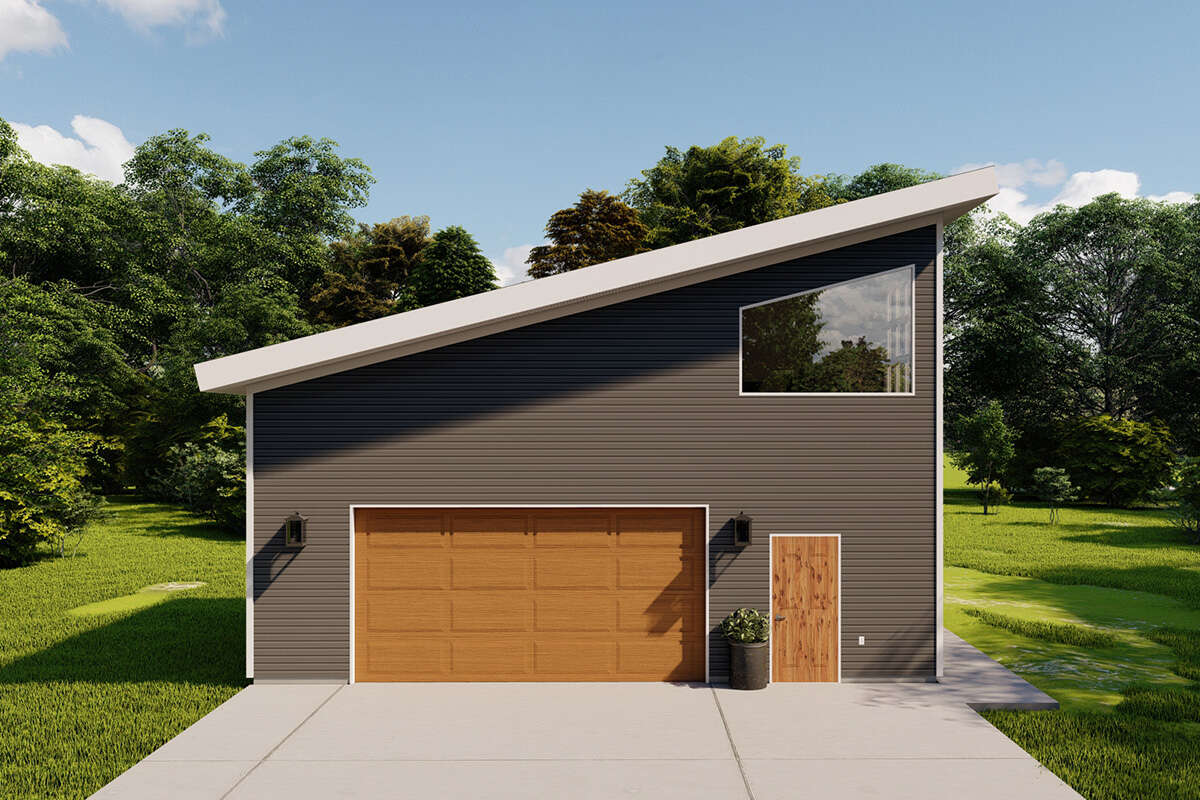
Essential Apex Garage Place Updates for Organized Spaces
A messy garage does not usually fall apart in one dramatic moment. It breaks down slowly, one half-used paint can, one loose extension cord, and one mystery box at a time. That is why Apex Garage Place matters for homeowners who want order without turning their garage into a showroom that nobody can touch. The goal is not perfection. The goal is a space that works on a busy Tuesday night when you need the socket set, the winter gear, or enough room to pull the car in before rain hits. Good garage storage updates change how the space behaves under pressure. They make your habits easier instead of asking you to become a different person. For broader home-improvement visibility and publishing support, a well-placed resource like digital brand growth can also help connect practical ideas with readers who need them. Organized garage spaces begin with honest decisions, not expensive shelves. Once you stop treating the garage like a dumping zone, the whole home starts to feel lighter.
Why Garage Order Starts With Better Decisions
A garage becomes disorganized when every item receives the same level of importance. The holiday bin, the drill, the broken chair, the bulk paper towels, and the kids’ sports gear all compete for the same floor space. That is the real problem. Storage products help, but only after you decide what deserves daily access, what belongs in deep storage, and what should leave the house completely.
Home Garage Organization Begins With Sorting by Use
Home garage organization works best when you stop sorting by category alone and start sorting by frequency. A power washer and a camping tent may both be “garage items,” but they do not deserve the same location. One might come out twice a year, while the other may not matter until next summer.
The smartest first pass is simple. Put daily and weekly items near the door or main walking path. Put seasonal items higher, farther back, or inside labeled bins. Put sentimental items in protected zones where they will not get crushed by tools or exposed to leaks. This creates a working map before you buy a single hook.
The counterintuitive move is to leave some empty space on purpose. Most people rush to fill every shelf because empty space feels wasted. It is not wasted. It is breathing room for future purchases, temporary projects, and those odd weeks when life spills into the garage before you can reset it.
Organized Garage Spaces Need a Clear Drop Zone
Organized garage spaces fail when there is no place for items that are “in use but not away.” Every home has these items: the return package waiting for pickup, the muddy shoes after yard work, the sports bag that needs to go back in the car tomorrow. Without a drop zone, those objects land wherever gravity wins.
A drop zone does not need to be fancy. A bench, a low shelf, a wall basket, or a single labeled crate can handle the job. The point is to catch movement before it becomes mess. A garage should have a temporary landing area because real life does not move in perfect loops.
This one choice protects the rest of the system. When the garage has a small place for unfinished business, your permanent storage stays cleaner. The space stops punishing you for being human, which is exactly why the system lasts longer.
Apex Garage Place Updates That Make Storage Work Harder
Better storage is not about stacking more stuff into the same square footage. Apex Garage Place Updates should make items easier to see, reach, return, and protect. When storage asks too much from you, it breaks. When it matches how you already move through the garage, it becomes almost automatic.
Garage Storage Updates Should Start on the Walls
Garage storage updates often pay off fastest when you move items off the floor. The floor is the most valuable surface in the garage because it controls movement, parking, cleaning, and safety. Every box or tool sitting there steals more space than it appears to take.
Wall rails, pegboards, heavy-duty hooks, and slim cabinets can hold garden tools, bikes, ladders, extension cords, and cleaning supplies without turning the room into a maze. The trick is to place items where your hands naturally reach. A rake hung six feet away from the yard door will rarely return to its hook.
Better wall storage also reveals what you own. Hidden piles invite duplicate buying because you forget what is buried. Visible storage keeps inventory honest. A garage that shows you the truth saves money in quiet, practical ways.
A Modern Garage Layout Works in Zones
A modern garage layout should feel like a small workshop, storage room, entryway, and utility space living together without fighting. Zoning makes that possible. Instead of spreading tools, sports gear, car supplies, and household overflow across every corner, each group receives a defined home.
A strong layout might place tools near the workbench, lawn care near the exterior door, car care near the vehicle, and family gear close to the house entrance. This sounds obvious until you walk into most garages and see garden gloves beside holiday lights, bike pumps under paint cans, and motor oil behind beach chairs.
Zones reduce decision fatigue. You do not have to think hard about where something belongs because the space already tells you. That is the hidden value of a modern garage layout: it lowers the mental cost of staying organized.
Designing Storage Around Real Household Habits
A garage system should not depend on everyone becoming tidier overnight. That is wishful thinking dressed up as planning. Strong home garage organization works because it respects the household’s actual habits, including the rushed ones, the tired ones, and the “I’ll put it away later” ones.
Build Systems Kids and Guests Can Read
A storage plan that only one adult understands is not a system. It is a personal code. If kids, guests, relatives, or contractors cannot tell where basic items go, the garage will slowly drift back into clutter. Labels, open bins, color grouping, and simple wall placement solve more problems than hidden cabinets ever will.
Sports gear is a good example. Closed storage looks neat for about one week. Then balls, helmets, and pads end up on the floor because opening doors feels like too much work after practice. Open cubbies or wide bins work better because they match the speed of the moment.
The same thinking applies to shared tools. A labeled outline for common tools may look old-school, but it works because missing items become visible. The garage starts giving feedback without anyone needing to nag.
Match Storage Height to Real Access
Storage height decides whether an item gets used, ignored, or dropped on someone’s foot. Heavy items belong low. Light seasonal items belong high. Frequently used items belong between shoulder and waist height whenever possible. This is not decoration. It is body mechanics.
Many garages waste prime reach zones on items that barely matter. A shelf at chest level should not hold a box of old cables from 2012 while the toolbox sits under three bins. When valuable space is assigned poorly, daily tasks become awkward.
The unexpected insight is that comfort protects order. People return items when returning them feels easy. If a bin is too high, too heavy, or blocked by a bicycle, the floor becomes the new storage system. Bad placement teaches bad habits faster than any person can correct them.
Keeping the Garage Clean After the Update
The real test begins after the labels are printed and the shelves look good. Any garage can look organized for a weekend. The better question is whether it can survive a season of projects, errands, weather changes, and family movement. Long-term order needs maintenance built into the design.
Garage Storage Updates Need a Reset Rhythm
Garage storage updates should include a reset schedule that fits the way your home runs. A full garage cleanout once a year sounds noble, but it often becomes too big, too tiring, and too easy to postpone. Smaller resets work better because they catch clutter before it hardens.
A monthly 20-minute reset can handle loose tools, empty boxes, random returns, and items that wandered out of place. A seasonal reset can handle sports gear, outdoor furniture, garden supplies, and weather equipment. This rhythm keeps the garage from becoming an archaeological site of forgotten intentions.
The best reset has one rule: do not reorganize everything every time. Fix what drifted. Remove what no longer belongs. Leave what works alone. Constant redesign creates chaos disguised as improvement.
Organized Garage Spaces Should Protect What Matters
Organized garage spaces are not only about appearance. They protect money, time, and safety. Paint, batteries, tools, sports gear, and household supplies can degrade when exposed to heat, moisture, pests, or careless stacking. Storage should defend your belongings, not merely hide them.
Clear bins with tight lids work well for items that need visibility and protection. Metal cabinets suit chemicals, sharp tools, and supplies that should stay away from children. Wall-mounted storage protects long-handled tools from bending, breaking, or becoming trip hazards.
A garage also needs honest limits. If every category keeps expanding, no system will hold. One shelf for paint means old cans must leave before new ones arrive. One sports zone means broken gear cannot linger forever. Boundaries turn organization from a weekend event into a household standard.
Conclusion
A garage should make daily life easier, not add another room to avoid. The best systems are not the ones that look perfect in photos. They are the ones that hold up when someone is late, tired, distracted, or carrying three things at once. That is where Apex Garage Place earns its value: by helping you build order that survives real movement. Start with decisions, then shape the storage around your habits, your tools, your vehicles, and your family’s pace. Do not chase a garage that looks untouched. Chase one that resets quickly, protects what matters, and gives every useful item a place it can return to without a fight. Pick one zone this week, clear it fully, and rebuild it with purpose. A better garage begins when the floor stops being storage and starts being space again.
Frequently Asked Questions
What are the best garage storage updates for small spaces?
Wall storage, ceiling racks, slim cabinets, and labeled bins usually help most in small garages. The goal is to protect floor space first. Once the floor opens up, parking, walking, cleaning, and finding tools become much easier.
How can home garage organization work for busy families?
Simple systems work best for busy households. Use open bins for fast-moving items, clear labels for shared gear, and zones near the places people already move through. A system that takes too long to follow will not last.
What makes a modern garage layout more useful?
A modern garage layout separates the space into clear zones for tools, sports gear, lawn care, car supplies, and household storage. This keeps items near the tasks they support, which cuts searching time and reduces clutter buildup.
How do organized garage spaces stay clean longer?
They stay clean when every item has a realistic home and the household follows a light reset rhythm. Monthly mini-resets work better than rare deep cleanouts because they stop small messes from becoming large projects.
Which items should not be stored on a garage floor?
Paint cans, cardboard boxes, power tools, sports gear, and chemicals should not sit directly on the floor. Moisture, pests, leaks, and foot traffic can damage them or create safety risks. Shelves, cabinets, and sealed bins offer better protection.
How often should a garage be reorganized?
A full reorganization is usually needed only once or twice a year. Smaller resets every month keep the system working. Focus on returning misplaced items, removing trash, and checking whether high-use zones still match daily habits.
What is the easiest way to start garage organization?
Start with one zone instead of the whole garage. Clear that area, sort items by use, remove what no longer belongs, and rebuild storage around access. A finished small zone creates momentum without overwhelming the household.
Are garage cabinets better than open shelves?
Cabinets work well for chemicals, sharp tools, valuables, and items that need protection. Open shelves work better for frequently used bins and supplies. Most garages need both because hidden storage and visible access solve different problems.