Toyota Camry Engine Problems Owners Report After 100k Miles
A Camry can feel unbreakable until the odometer crosses six digits and small warnings start sounding expensive. Many owners begin searching for Camry engine problems after 100,000 miles because the car still drives well, yet oil level drops, cold starts get rough, or a check engine light appears on a random Tuesday morning.
That tension is what makes this topic matter for American drivers. A paid-off Toyota sitting in a driveway in Ohio, Texas, Florida, or California can still be a smart car to keep, but only if you know which symptoms deserve fast action. For readers building a stronger ownership plan, this kind of practical vehicle maintenance insight can help separate normal aging from a repair bill that snowballs.
Toyota’s own warranty documents for certain 2AZ-engine vehicles acknowledged excessive oil consumption complaints on certain 2007–2009 Camry and 2007–2011 Camry Hybrid models, with coverage tied to dealer testing and eligibility rules. Toyota’s repair bulletin also pointed to piston and piston ring replacement after the required inspection procedure, which tells you this was not a simple “top off the oil” concern.
Why Camry engine problems often show up after the warranty years
The 100,000-mile mark is not magic. It is where old habits become visible. A Camry that had regular oil changes, coolant service, spark plugs, and clean air filters may feel calm at 140,000 miles, while a neglected one can start asking for money before 110,000.
Toyota Camry oil consumption can hide in plain sight
Toyota Camry oil consumption gets missed because many engines do not leave a dramatic puddle under the car. The oil can burn slowly, especially on older four-cylinder models, so the owner finds out only when the dipstick reads low between oil changes. That is a different kind of problem from a leak, and it catches careful people off guard.
The 2AZ engine issue matters because Toyota’s own program covered certain vehicles equipped with that engine and dealt with customer complaints about excessive oil use. The program described a dealer oil consumption test, and Toyota’s FAQ said the dealer would fill and seal the system, then ask the owner to return after 1,100 to 1,300 miles so consumption could be checked.
A real-world example is a 2008 Camry LE used for a daily commute around Phoenix. The owner may never see smoke, but the low oil light or engine noise can appear after long freeway runs in heat. The counterintuitive part is simple: a car can burn oil for months and still feel normal until the damage has already started.
Engine misfire symptoms deserve more respect at high mileage
Engine misfire symptoms can feel minor at first. A small shake at idle, a stumble when pulling away from a stoplight, or a blinking check engine light may seem like a bad tank of gas. On a high-mileage Camry, that delay can turn a cheap diagnosis into a catalytic converter or internal engine concern.
Spark plugs, ignition coils, dirty throttle bodies, vacuum leaks, and weak fuel delivery can all create rough running. The smart move is not guessing parts from a forum. Scan the codes, check the maintenance record, and match the symptom to the condition under which it happens.
A Camry owner in New Jersey may notice rough starts only on cold mornings. Another driver in Houston may feel hesitation after the car sits in summer heat. Those two cars can have different root causes, and that is why a proper inspection beats the “replace the most common part” habit every time.
Oil, cooling, and fuel systems tell the real story
Aging engines rarely fail without warning. They usually whisper through fluid loss, heat, smell, idle quality, and small changes in sound. The hard part is that Camry owners trust the badge so much they sometimes talk themselves out of early clues.
Camry coolant leak signs can separate stains from danger
Camry coolant leak concerns deserve a calm inspection, not panic. Toyota issued a water pump leak inspection bulletin covering some 2018–2021 Camry vehicles, and it explained the difference between temporary dry coolant residue and an active leak with wet residue or drips. Toyota also said a dry paper towel test could help confirm whether residue was old or active.
That detail matters because not every pink crust mark means the water pump needs immediate replacement. Dry residue can come from a temporary condition, while wet coolant, falling reservoir level, bearing play, or overheating changes the situation. The surprise here is that the most honest inspection may save money instead of finding more work.
For a family Camry in suburban Atlanta, coolant smell after parking is not something to ignore. The owner should check the reservoir level when the engine is cool, look for wet residue near the pump area, and pay attention to temperature gauge movement. Heat damage turns small cooling problems into warped-head conversations.
Fuel pump issues can feel like engine failure
A weak fuel pump can make a healthy engine act sick. Toyota’s 2025 amended recall notice included certain 2018–2020 Camry vehicles among Toyota and Lexus models tied to fuel pumps that may stop operating, causing rough running, warning lights, stalling, or a no-start condition. Toyota said dealers would replace involved fuel pumps with an improved one at no cost for covered vehicles.
NHTSA’s recall report described low-pressure fuel pumps that could become inoperative, leading to check engine warnings, rough running, no-start issues, or stalling. That is exactly why an owner should check open recalls by VIN before paying a shop to chase random drivability symptoms.
A driver in Dallas who feels the car stumble at low speed may think the transmission is slipping. A driver in Los Angeles traffic may think the engine is worn out. Sometimes the engine is not the guilty part at all, and the repair path begins with fuel delivery.
How to judge repair risk before spending serious money
The worst Camry repair decision is made in a hurry. Owners hear “Toyota,” assume the car is worth saving, and approve repairs without asking what the rest of the vehicle looks like. A good Camry can earn that money back through years of service, but a tired one can drain cash in layers.
High mileage Camry maintenance needs a hard inspection
High mileage Camry maintenance should begin with proof, not hope. Ask for oil change records, coolant service history, spark plug replacement, transmission service, and any past water pump or valve cover work. A clean stack of receipts is not glamorous, but it tells you how the car was treated when nobody was watching.
A 2012 Camry with 165,000 miles and steady service may be a better bet than a 2018 Camry with gaps in maintenance and unresolved warning lights. Age and mileage matter, but behavior matters more. Engines remember neglect even when the dashboard looks calm.
The counterintuitive move is to pay for diagnosis before you approve repair. Spending $180 on a careful inspection can feel annoying, yet it may prevent a $1,500 guess. Compression testing, leak checks, code history, and fluid condition can tell you whether the engine has another chapter left.
Used Camry buyers should price symptoms before purchase
Used Camry shoppers often focus on trim, paint, touchscreen size, and price. That is understandable, but it misses the expensive part. The engine bay, cold start, exhaust smell, coolant level, dipstick reading, and service history say more about future cost than the shine on the hood.
A smart buyer in Chicago should arrive before the seller warms the car. Cold starts reveal timing noise, rough idle, smoke, and hesitation better than a warm test drive around the block. Sellers are not always hiding something, but a warm engine can hide plenty by accident.
Build a small repair-risk checklist before money changes hands:
- Check the dipstick before startup.
- Look for coolant residue or wet leaks.
- Scan for stored and pending codes.
- Verify recall status by VIN.
- Ask for oil change records, not vague promises.
That list is short for a reason. If a seller resists basic checks, the car is already answering you.
What owners should do when the first symptoms appear
The first symptom is not the final bill. It is the point where you still have choices. Camry owners who act early usually spend less, avoid panic repairs, and keep the car in service longer.
Small changes in oil level need a written pattern
Toyota Camry oil consumption should be tracked with dates, mileage, and dipstick readings. Do not rely on memory, because memory gets soft when the car still drives fine. Write down the oil level every 500 miles for a few weeks and note how much oil gets added.
This habit gives a repair shop something useful. “It used half a quart in 700 miles” is stronger than “I think it burns oil.” Numbers turn a vague complaint into a pattern, and patterns help mechanics avoid guesswork.
A Camry owner in rural Pennsylvania may drive long highway stretches with few stops. Another in Miami may sit in heat with the air conditioner running. Both patterns affect how symptoms show up, so your notes should include driving style, weather, and whether the problem appears after short trips or long runs.
Warning lights should lead to diagnosis, not denial
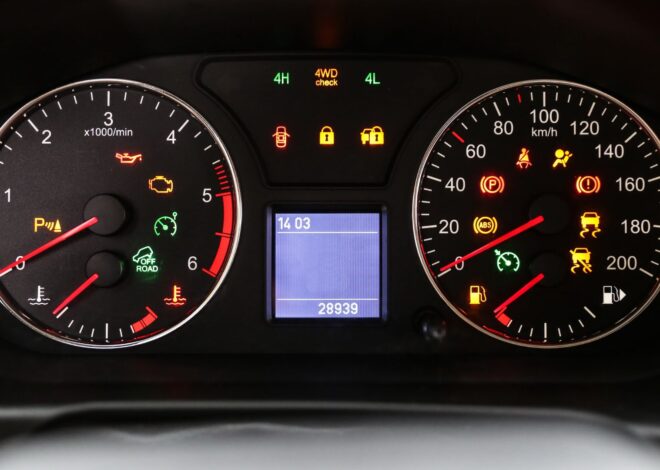
Engine misfire symptoms paired with a flashing check engine light need quick attention. Continuing to drive can send raw fuel into the catalytic converter, which adds another costly repair. A steady light gives you more room, but it still deserves a scan before the next long trip.
High mileage Camry maintenance should also include listening without becoming paranoid. A brief startup noise, a coolant smell, or a new vibration does not automatically mean disaster. It means the car has entered the age where small clues deserve grown-up attention.
The best repair plan starts with this order: confirm fluid levels, scan codes, check recalls, inspect for leaks, then approve parts. That sequence sounds plain because it works. Random repairs are for people who want to learn the expensive way.
Conclusion
A Camry with more than 100,000 miles is not a problem by itself. The real risk comes from treating reliability like a lifetime guarantee instead of a record you keep renewing. Toyota built many Camrys that can run far past the point where other sedans fade, but no engine forgives low oil, ignored heat, weak fuel delivery, or rough running forever.
The smartest owner does not panic when Camry engine problems appear. They document the symptom, check the basics, confirm recall status, and get a real diagnosis before spending heavy money. That approach protects the car and the wallet.
Owners should also remember that “common issue” does not mean “your issue.” A burning-oil story from a forum, a water pump photo, or a fuel pump recall can guide your thinking, but your VIN, engine, service history, and symptoms decide the repair path. Check the dipstick this week, scan the codes if a light is on, and let the evidence lead before the bill does.
Frequently Asked Questions
What Toyota Camry engine issue is most common after 100k miles?
Oil use, rough idle, coolant seepage, ignition coil failure, and sensor-related warning lights are among the issues owners often notice after 100,000 miles. The exact risk depends on model year, engine type, maintenance history, climate, and whether past recalls or service bulletins apply to that VIN.
How do I know if my Toyota Camry is burning too much oil?
Check the dipstick on level ground when the engine is cool, then record mileage and oil level every 500 miles. A steady drop between oil changes, blue exhaust smoke, low oil warnings, or engine noise after highway driving can point toward oil consumption that needs inspection.
Can a Toyota Camry still be reliable after 150,000 miles?
Yes, many Camrys stay dependable past 150,000 miles when maintenance has been steady and problems are handled early. The deciding factors are oil change history, cooling system health, transmission condition, rust, warning lights, and whether the owner keeps driving through small symptoms.
Is a misfire expensive to fix on a high-mileage Camry?
A misfire can be affordable if it comes from spark plugs, coils, a dirty throttle body, or a vacuum leak. Costs rise when the cause involves compression loss, injector problems, overheating damage, or a damaged catalytic converter from driving too long with a flashing check engine light.
Should I buy a used Toyota Camry with over 100k miles?
A used Camry over 100,000 miles can be a smart buy when it has service records, clean fluids, no active warning lights, and a strong cold start. Avoid cars with low oil, coolant loss, rough idle, overheating history, or sellers who refuse a pre-purchase inspection.
What does a Camry coolant leak usually look like?
Toyota coolant often leaves pink or whitish residue near hoses, the radiator, water pump, or reservoir area. Dry stains may be old, while wet residue, dripping coolant, falling reservoir level, sweet smell, overheating, or steam after driving needs prompt inspection before engine damage starts.
Can open recalls cause Camry engine symptoms?
Yes, some recalls can connect to symptoms that feel like engine trouble, including rough running, stalling, or no-start conditions. Always check recall status by VIN through Toyota or NHTSA before paying for repairs, because covered recall work may be handled by a dealer at no cost.
What maintenance matters most for older Toyota Camry engines?
Oil changes, coolant service, spark plugs, air filters, clean throttle body, fresh PCV valve when needed, and fast leak repair matter most. Older engines reward consistency. Skipping cheap maintenance often creates expensive symptoms that look sudden but were building for months.