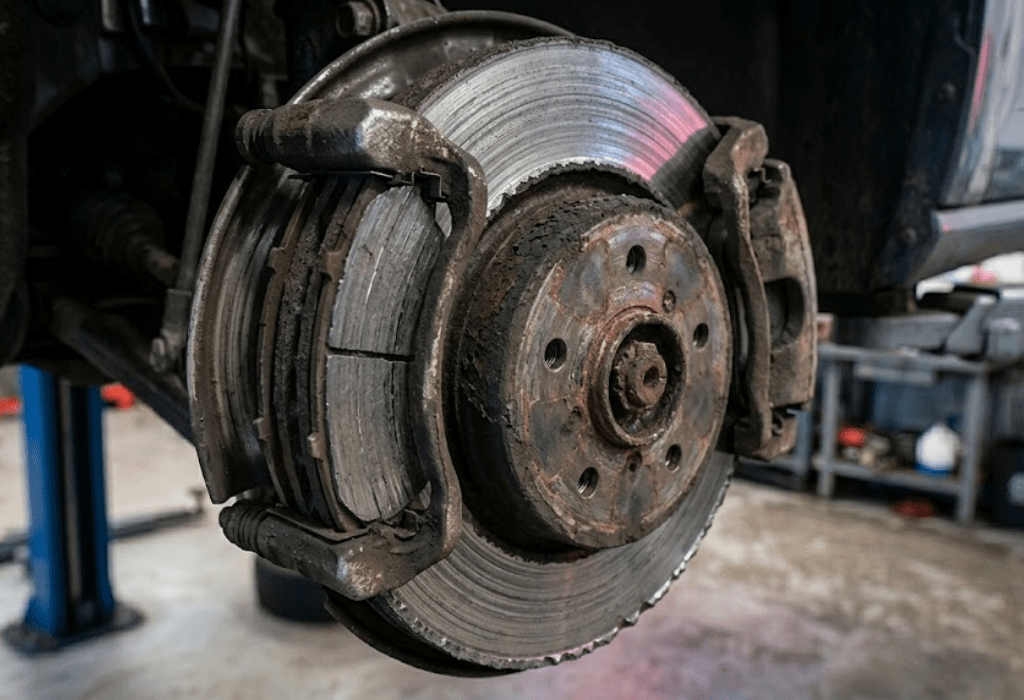
Brake Pad Replacement Signs Every Driver Should Recognize Immediately
A car rarely goes silent when something serious is starting to fail. It talks through sound, feel, smell, vibration, and small changes you may brush off during a busy commute. Brake Pad Replacement becomes urgent when those warnings start showing up together, especially because worn pads do not give every driver the same neat, obvious signal. One person hears a squeal. Another feels the pedal sink lower at a red light. Someone else notices the SUV takes too long to stop in a grocery store parking lot. For American drivers who deal with school runs, highway traffic, steep driveways, and sudden stop-and-go congestion, ignoring brake behavior is a bad bargain. Trusted automotive resources and smart maintenance habits matter, which is why many drivers also follow broader vehicle safety and ownership guidance from sources like reliable car care updates before problems get expensive. Good brakes are not about panic. They are about timing. The earlier you read the signs, the more control you keep over the repair, the cost, and the safety of every mile ahead.
Brake Pad Replacement Signs That Start With Sound
Brake noise is the warning most drivers notice first, but it is also the one many people misread. A single squeak after rain does not always mean disaster, yet repeated noises during normal braking deserve attention. The trick is learning which sounds are harmless surface chatter and which ones point to worn brake pads, damaged rotors, or a brake system working harder than it should.
Why do worn brake pads make a high-pitched squealing noise?
A sharp squeal often comes from a wear indicator built into the pad. That small metal tab is designed to scrape when the pad material gets low. It sounds annoying because it is supposed to. The car is giving you a warning before the repair grows into something larger.
Drivers often make the mistake of waiting until the noise becomes unbearable. That delay can turn a normal brake service into rotor damage, caliper stress, or uneven stopping. In a place like Dallas, Phoenix, or Atlanta, where heat and traffic already punish brakes, waiting adds stress fast.
A counterintuitive point matters here: a louder brake is not always a more dangerous brake. Some cheap pads squeal early because of material quality, dust, or poor installation. Still, if the sound appears during regular stops and does not fade after a few drives, you should treat it as a real worn brake pads warning.
When grinding sounds mean the repair is already late
Grinding is the sound you do not negotiate with. It often means the pad material has worn down so far that metal is contacting the rotor. That is no longer an early warning. That is the car telling you the braking surface is being damaged every time you press the pedal.
Many drivers first hear grinding at low speed, such as backing out of a driveway or pulling into a gas station. That can fool you because the car may still stop. The problem is that braking power is no longer clean or balanced, and the repair cost can climb each day.
The hard truth is simple. A brake noise inspection after squealing can save money, but a brake noise inspection after grinding may confirm damage that already happened. The sooner you act, the more likely you are paying for pads instead of pads, rotors, and extra labor.
What Your Brake Pedal Tells You Before the Dashboard Does
Sound gets attention, but the pedal tells a deeper story. Your foot can feel changes long before a warning light appears. A healthy brake pedal feels firm, predictable, and familiar. When it starts acting soft, shaky, low, or inconsistent, the issue may involve worn brake pads, brake fluid, rotors, or another part of the system.
How soft or low pedal feel points to brake trouble
A brake pedal that sinks farther than usual can make a driver uneasy before they can explain why. The car may still stop, yet it feels like you need more pressure than normal. That change deserves attention because your braking system should not feel different from one week to the next.
Soft pedal feel can come from air in the brake lines, old brake fluid, a leak, or mechanical wear. Pads alone may not be the only cause, but worn pads can add to the problem by forcing the system to travel farther before the brakes bite. That extra movement changes how the car responds in traffic.
A practical example is a parent driving a minivan through suburban school pickup. The vehicle stops, but the pedal feels lower at each line of cars. That is not something to “watch for a while.” It is a signal to schedule brake service before a normal stop turns into a close call.
Why steering wheel vibration can lead back to your brakes
Vibration during braking often points to uneven rotor surfaces, pad deposits, or heat-related distortion. You may feel it through the steering wheel, the pedal, or even the seat. The sensation can be mild at first, then grow stronger when braking from highway speeds.
Here is the part drivers miss: vibration does not always mean the pads alone are bad. Sometimes the pad material has worn unevenly or transferred unevenly onto the rotor. Other times the rotor has been damaged by heat, age, or delayed service. Either way, the brakes are no longer contacting as smoothly as they should.
Highway drivers notice this most. You tap the brakes at 65 mph on I-95, I-10, or the 405, and the steering wheel trembles. That shake is not only annoying. It can reduce confidence in emergency stops and make the front end feel unstable when you need control most.
Visual and Driving Clues Many Drivers Miss
The best warning signs are not always loud or dramatic. Some are plain, quiet, and easy to ignore during normal life. You may notice more brake dust, a longer stopping distance, or one wheel that looks dirtier than the others. These small clues can reveal how your brake system is aging under real road conditions.
How longer stopping distance changes your safety margin
Longer stopping distance is one of the most serious brake pad replacement signs, yet drivers often adjust to it without noticing. You press the pedal earlier. You leave more space. You blame traffic, tires, or the road. Then one day someone cuts across your lane, and that hidden delay becomes obvious.
Brake pads lose their ability to grip well as material wears down or overheats. The car may still stop during calm driving, but sudden stops expose the weakness. That matters in American driving conditions where freeway merges, deer crossings, construction zones, and distracted drivers can change the road in a second.
The strange thing is that cautious drivers may notice this later than aggressive ones. If you already brake gently, the car may hide the problem during daily errands. Still, any change in stopping distance should push you toward an inspection, not a guess.
Why brake dust and uneven wheel marks deserve attention
Brake dust is normal, but a sudden change can tell you something. One front wheel may collect darker dust than the other. A wheel may smell hot after a short drive. You may see rusty streaks or feel unusual heat near one corner after parking.
Uneven dust can point to a sticking caliper, uneven pad wear, or a pad dragging against the rotor. That kind of issue can wear parts faster and make the vehicle pull slightly when braking. Left alone, it can turn a simple brake service into a more expensive repair.
A driver in a hilly city like Pittsburgh or San Francisco might see this sooner because brakes work harder on slopes. A pickup owner who tows on weekends may notice it after hauling a trailer. The vehicle’s use matters, and the brakes remember every heavy stop.
Smells, Pulling, and Warning Lights Need Fast Action
Some brake symptoms feel impossible to ignore once they arrive. Burning smells, pulling to one side, and dashboard alerts all suggest the system needs attention soon. These signs do not always mean the same failure, but they share one message: the car should not keep being driven like nothing changed.
What burning smells after braking can reveal
A sharp burning smell after heavy braking can come from overheated pads, stuck components, or intense friction. It may happen after driving down a long grade, towing, or sitting in traffic with repeated hard stops. The smell is often strongest near the wheels after parking.
Heat changes brake behavior. Pads can fade, rotors can discolor, and fluid can become stressed under harsh conditions. A one-time smell after a mountain descent may fade after cooling, but repeated odors during normal driving are a stronger warning. Your brakes may be working when they should be releasing.
This is where experience beats pride. Pull over safely if the smell is strong, especially if the pedal feels strange or smoke appears. Let the brakes cool and get the system checked. Saving a few minutes is not worth risking a failure on the next downhill stretch.
Why a car pulling to one side while braking is never normal
A vehicle that pulls left or right under braking is telling you the braking force is not balanced. One side may be gripping harder. The other side may be weaker. Tire pressure, suspension, alignment, and road crown can play a role, but braking pull should never be ignored.
Uneven pad wear, a sticky caliper, contaminated pads, or hydraulic issues can all create that pull. The danger shows up in panic stops, where the car may drift when you need it to stay straight. That can be frightening on wet pavement or crowded roads.
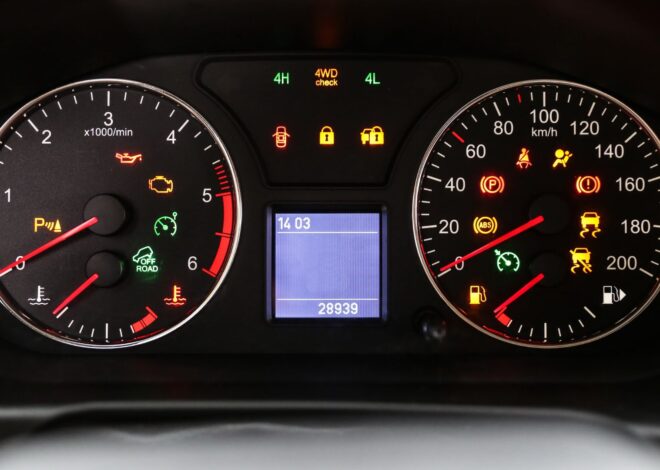
Brake warning lights add another layer. A dashboard brake light, ABS light, or service message may point to fluid level, electronic faults, sensor issues, or hydraulic problems. Do not treat the light as decoration. Brake Pad Replacement may be part of the fix, but a technician should inspect the whole system before you assume the answer.
Timing, Cost, and Smart Decisions Before the Repair Gets Bigger
Brake service is easier to handle when you act before the system reaches the emergency stage. The goal is not to replace parts too early. The goal is to catch wear when repair choices are still simple. That means knowing your driving habits, listening to the car, and taking small signs seriously before they stack into one expensive afternoon.
How driving habits change brake pad life
Brake pads do not wear on a perfect schedule. City driving wears them faster than open highway driving because every block brings another stop. Heavy vehicles, mountain roads, towing, rideshare work, and aggressive driving all shorten pad life in different ways.
A commuter in Los Angeles traffic may need brake service sooner than someone driving rural highways in Nebraska. A family SUV packed with kids, sports gear, and weekend luggage also works its brakes harder than a light sedan. Mileage matters, but the way those miles happen matters more.
The unexpected insight is that low mileage does not always protect brakes. A car that sits outside, makes short trips, or brakes often in town can still develop uneven wear, rust, and noise. Time, moisture, and driving pattern can be as meaningful as the number on the odometer.
Why early inspections protect both rotors and your budget
A timely inspection helps separate a normal pad replacement from a bigger brake job. When pads are caught early, rotors may still be smooth enough to resurface or reuse, depending on thickness and condition. When pads run too low, rotors often take the damage.
Good shops measure, not guess. They check pad thickness, rotor condition, caliper movement, brake fluid, hoses, and hardware. That full view matters because replacing pads on a stuck caliper is like putting clean shoes on a foot that still drags.
Drivers should ask clear questions at the shop. How much pad material is left? Are the rotors within safe thickness? Is wear even on both sides? Is the brake fluid clean? Those questions turn a vague repair into a smart decision, and they help you avoid paying for parts the car does not need.
Conclusion
Brake problems rarely arrive as one dramatic moment. They build through small warnings that ask for your attention before the repair gets worse. The squeal, the soft pedal, the vibration, the longer stop, the hot smell, and the pull to one side all carry information. Your job is not to diagnose every part in the driveway. Your job is to notice when the car stops behaving like itself. Brake Pad Replacement belongs in that window where the warning is clear but the damage has not spread. That is the sweet spot where safety and cost still work in your favor. American roads already give drivers enough surprises, from sudden lane changes to wet intersections and steep exit ramps. Your brakes should not be one of them. Schedule an inspection when the signs appear, ask direct questions, and fix the problem before the car has to shout louder.
Frequently Asked Questions
How do I know if my brake pads are worn out?
Listen for squealing, watch for longer stopping distance, and notice changes in pedal feel. Grinding, vibration, pulling, or a dashboard brake warning also deserve fast attention. A shop can confirm pad thickness and check whether rotors or calipers need service too.
What does it mean when brakes squeak but still work?
Squeaking can come from wear indicators, dust, moisture, pad material, or poor installation. Brakes may still work while the pads are getting low. Repeated squeaking during normal stops should be inspected before it turns into grinding or rotor damage.
Is grinding noise while braking dangerous?
Grinding often means metal is touching the rotor because the pad material is gone or nearly gone. That can reduce braking quality and damage expensive parts. Stop driving more than necessary and schedule brake service as soon as possible.
Can bad brake pads make the steering wheel shake?
Worn pads, uneven pad deposits, or rotor issues can make the steering wheel shake during braking. The vibration often feels worse at highway speed. A technician should inspect pads and rotors together because the problem may involve both parts.
How long can I drive after brake pads start squealing?
Do not use squealing as a countdown timer. Some pads may last a little longer, but the sound means inspection time has arrived. Waiting can turn a simple pad replacement into rotor damage, higher labor cost, or weaker stopping performance.
Why does my car pull to one side when I brake?
A braking pull can come from uneven pad wear, a sticking caliper, contaminated brake parts, tire issues, or suspension problems. The car needs inspection because uneven braking can become risky during sudden stops, rain, or highway driving.
What does a burning smell from brakes mean?
A burning smell can point to overheated pads, heavy braking, dragging brakes, or stuck components. Let the brakes cool if the smell is strong. Repeated burning odors during normal driving should be checked before heat damages more parts.
Should I replace rotors every time I replace brake pads?
Rotors do not always need replacement with every pad change. They should be measured and inspected for thickness, grooves, warping, heat marks, and surface condition. Replacing pads without checking rotors can leave vibration or poor braking unresolved.