Through Smart Tire Technology That Is Transforming Road Safety
Road safety has always depended on a combination of responsible driving, reliable vehicle engineering, and regular maintenance. While engines, braking systems, and driver assistance technologies often receive the most attention, tires remain one of the most important safety components of any vehicle. As the only point of contact between a vehicle and the road, tires directly influence braking performance, steering precision, traction, and overall stability. Today, advances in smart tire technology are transforming how drivers interact with their vehicles by providing real time information that helps prevent accidents and improve driving confidence.
Smart Tires And Kaveri Online 2
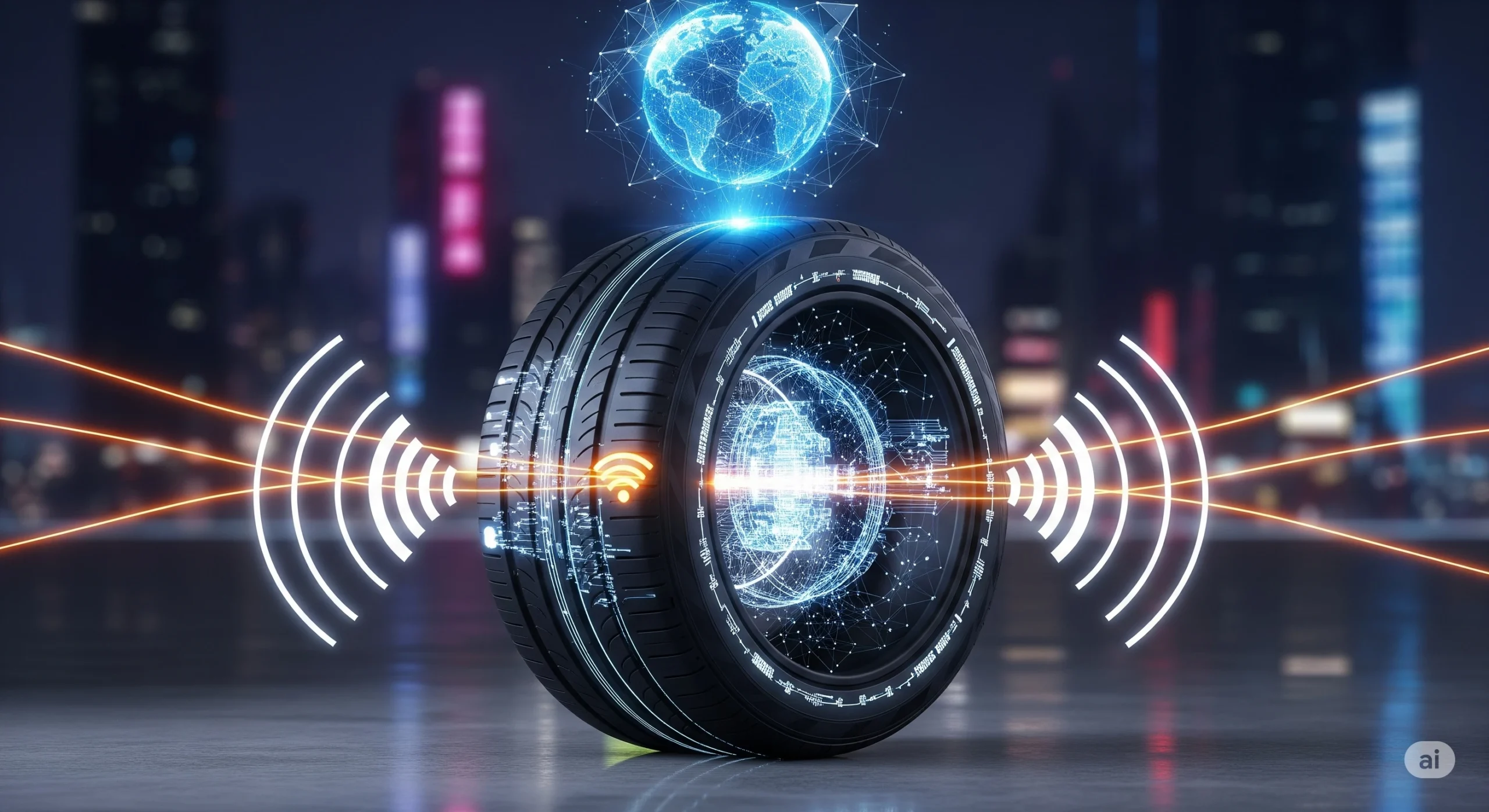
Modern smart tires are equipped with advanced sensors that continuously monitor pressure, temperature, tread wear, and road conditions. These sensors communicate valuable information to the vehicle’s onboard computer, allowing drivers to respond before minor issues become major safety hazards.
For example, an unexpected drop in tire pressure can significantly increase stopping distance and reduce vehicle control. Instead of relying on periodic manual inspections, smart tires instantly notify drivers when pressure falls below safe levels. This proactive approach minimizes the chances of tire failures and improves road safety for everyone.
Although digital services such as kaveri online 2 are associated with entirely different administrative purposes, they reflect the broader movement toward intelligent digital platforms that simplify everyday tasks. Similarly, smart tire systems use connected technologies to deliver timely information that enhances driving decisions.
Better Road Awareness With Up Bhumi Jankari
One of the most exciting developments in smart tire technology is its ability to understand road conditions. Advanced sensors can detect slippery surfaces, uneven pavement, gravel, standing water, or icy roads. This information can then be shared with the vehicle’s electronic stability systems, enabling automatic adjustments that improve handling and reduce the risk of skidding.
Some manufacturers are also developing connected vehicle networks where smart tires exchange anonymous road condition data with nearby vehicles. If one vehicle detects black ice or poor traction, following drivers can receive early warnings before reaching the same location.
Digital information platforms such as up bhumi jankari demonstrate how accessible data can help people make informed decisions. Likewise, real time tire data empowers drivers to respond more effectively to changing road environments.
Predictive Maintenance Using Www Bhulekh UK Gov In
Traditional tire maintenance often depends on visual inspections or scheduled service intervals. Unfortunately, many problems develop gradually and remain unnoticed until they become serious. Smart tire technology changes this approach by introducing predictive maintenance.
Embedded sensors monitor tread depth, temperature changes, structural stress, and overall tire health throughout every journey. Artificial intelligence analyzes these measurements to estimate the remaining service life of each tire. Drivers receive maintenance recommendations before dangerous wear levels are reached.
Fleet operators especially benefit from predictive maintenance because it reduces unexpected breakdowns, lowers repair costs, and keeps commercial vehicles operating safely. Continuous monitoring also helps improve fuel efficiency by maintaining optimal tire performance.
Although www bhulekh uk gov in serves an entirely different purpose as an online information portal, both systems illustrate how digital access to accurate information supports better planning and more informed decisions.
The Future Of Connected Mobility With Kaveri 2.0 Online
The future of transportation will increasingly rely on communication between vehicles, infrastructure, and intelligent components such as smart tires. As autonomous and semi autonomous vehicles become more common, tires will play an even greater role in supporting safe navigation.
Future smart tires may automatically adapt their characteristics based on weather conditions, vehicle speed, and road surfaces. Some researchers are developing self healing tire materials capable of repairing small punctures without requiring immediate replacement. Others are exploring adaptive tread designs that change shape to maximize grip under different driving conditions.
Cloud based data analysis will also allow manufacturers to improve tire designs using millions of miles of real world performance information. Platforms like kaveri 2.0 online highlight how digital transformation is reshaping many industries, while connected tire technologies demonstrate similar innovation within modern transportation.
Environmental Benefits Of Smart Tire Technology
Beyond improving safety, smart tires contribute to environmental sustainability. Properly inflated tires reduce rolling resistance, allowing vehicles to consume less fuel or battery power. This leads to lower carbon emissions and greater energy efficiency.
Accurate wear monitoring also prevents premature tire replacement, reducing waste and conserving raw materials used in tire manufacturing. For electric vehicles, efficient tires can extend driving range, making sustainable transportation even more practical.
As governments and manufacturers focus on greener mobility solutions, smart tire technology supports both environmental responsibility and long term cost savings.
Conclusion
Smart tire technology is revolutionizing road safety by transforming ordinary tires into intelligent safety systems. Through continuous monitoring of pressure, temperature, tread condition, and road surfaces, these advanced technologies help drivers avoid accidents before they occur. Predictive maintenance, connected vehicle communication, and artificial intelligence further strengthen their role in modern transportation. As innovation continues, smart tires will become an essential part of safer, more efficient, and environmentally responsible mobility. Investing in these technologies today represents an important step toward creating roads where vehicles are not only smarter but also significantly safer for every traveler.