
Future Ready Driving Habits Every Vehicle Owner Should Develop
The way people drive is changing rapidly. Advances in vehicle technology, evolving traffic systems, and increasing environmental awareness have transformed what it means to be a responsible driver. Whether you own a compact car, a family SUV, or an electric vehicle, developing future ready driving habits can improve safety, reduce expenses, and extend the life of your vehicle. By making thoughtful choices every time you get behind the wheel, you can prepare yourself for the future of transportation while enjoying a more comfortable driving experience.
Prioritize Preventive Vehicle Maintenance
A well maintained vehicle is safer, more efficient, and less likely to suffer unexpected breakdowns. Instead of waiting for warning lights to appear, make routine inspections part of your schedule. Check tire pressure, engine oil, coolant levels, brake performance, and windshield wipers regularly.
Keeping maintenance records also helps you monitor your vehicle’s condition over time. Much like digital systems help organize public services such as rtps bihar, maintaining organized vehicle records ensures that important information is always available when needed.
Drive With Fuel Efficiency in Mind
Fuel efficient driving benefits both your wallet and the environment. Smooth acceleration, gradual braking, and maintaining a consistent speed can significantly reduce fuel consumption. Avoid unnecessary idling and remove excess weight from your vehicle whenever possible.
Drivers should also anticipate traffic conditions instead of reacting suddenly. Maintaining a safe following distance gives you more time to respond while reducing the need for hard braking. These habits not only improve fuel economy but also reduce wear on essential vehicle components.
Learn the Features of Modern Vehicles
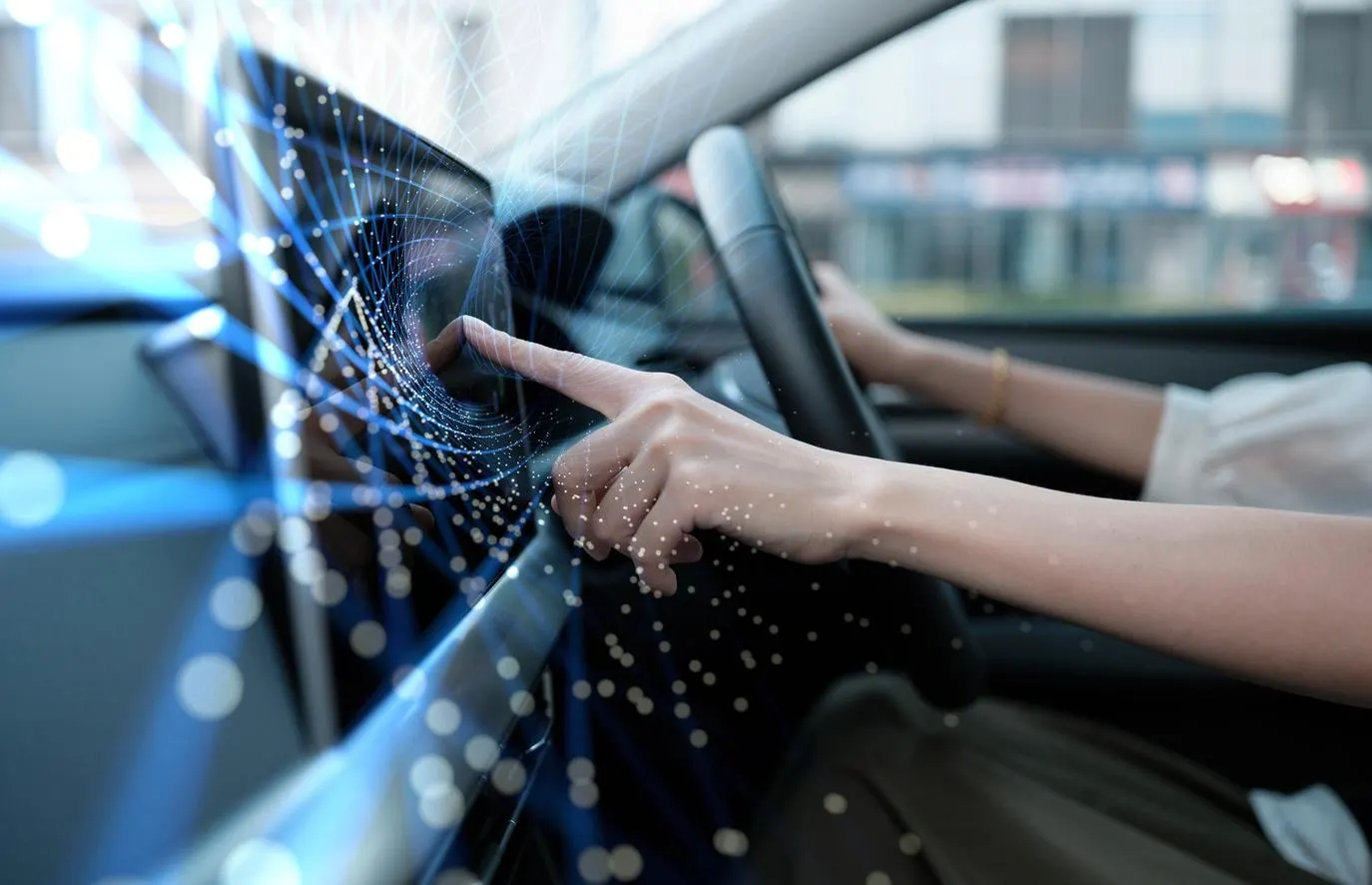
Today’s vehicles include advanced technologies such as adaptive cruise control, lane keeping assistance, blind spot monitoring, emergency braking, and intelligent parking systems. Many owners never fully explore these features after purchasing a vehicle.
Spend time reading your owner’s manual and practicing these technologies in safe environments. Understanding how they function allows you to use them effectively while remembering that they are designed to assist drivers rather than replace attentive driving.
As technology continues to evolve, drivers who embrace learning will adapt more easily to future innovations.
Support Sustainable Transportation
The future of transportation is closely connected with sustainability. Hybrid vehicles, electric vehicles, renewable energy charging solutions, and environmentally friendly manufacturing are becoming increasingly important worldwide.
Learning about broader sustainability initiatives, including topics like pm surya ghar muft bijli yojana upsc, helps drivers appreciate how renewable energy may eventually support cleaner transportation systems. Even if you currently drive a conventional vehicle, adopting environmentally responsible habits contributes to a healthier future.
Simple actions such as reducing unnecessary trips, combining errands, and keeping your engine properly tuned all lower emissions.
Stay Focused Behind the Wheel
Distracted driving remains one of the leading causes of road accidents. Mobile phones, navigation systems, conversations, and even eating while driving can divert attention from the road.
Future ready drivers create an environment that minimizes distractions before starting the journey. Set your navigation, adjust mirrors, select your music, and silence unnecessary notifications before moving the vehicle.
Remaining mentally alert is equally important. Avoid driving when extremely tired, emotionally stressed, or under the influence of alcohol or medications that impair concentration.
Prepare for Electric and Smart Mobility
Electric vehicles are becoming more common every year, and smart transportation systems continue to develop rapidly. Even if you do not currently own an electric vehicle, understanding charging infrastructure, regenerative braking, battery maintenance, and connected vehicle technologies prepares you for future ownership.
Digital literacy has become increasingly valuable across many industries. Just as online portals like pmkishan.net simplify access to public information through technology, future transportation will rely heavily on connected digital systems that enhance convenience and efficiency.
Being comfortable with vehicle software updates, mobile applications, and smart navigation tools will become increasingly important.
Develop Defensive Driving Skills
Technology cannot eliminate every road hazard. Defensive driving remains one of the most valuable habits every vehicle owner can develop.
Always expect the unexpected. Watch for pedestrians, cyclists, changing weather conditions, and unpredictable drivers. Scan far ahead rather than focusing only on the vehicle directly in front of you.
Maintaining safe following distances, signaling every lane change, obeying speed limits, and respecting traffic rules create safer roads for everyone. These habits become even more valuable as roads accommodate autonomous vehicles alongside traditional vehicles.
Keep Digital Vehicle Documents Organized
Many vehicle related services are becoming digital. Insurance documents, service histories, registration certificates, roadside assistance information, and warranty details are increasingly stored electronically.
Organizing these records allows faster access during emergencies, servicing, or ownership transfers. Digital documentation systems continue to improve in many sectors, similar to platforms such as mahabhulekh 2.0, which demonstrate how digital record management can simplify access to important information.
Backing up essential documents securely ensures that critical information remains available whenever required.
Conclusion
Future ready driving is about far more than operating a vehicle. It involves adopting safer habits, embracing new technologies, maintaining your vehicle responsibly, and understanding the changing transportation landscape. Every small improvement, from smoother driving and preventive maintenance to learning advanced vehicle features and staying digitally organized, contributes to a safer and more efficient future. By developing these habits today, every vehicle owner can confidently adapt to tomorrow’s roads while protecting both their investment and the environment.
