Cracked Windshield Repair Versus Full Replacement Cost Comparison
A small crack across your windshield has a talent for ruining a normal day. One minute you are driving to work, and the next you are staring at a line in the glass, wondering whether it will cost lunch money or half a car payment. The honest answer is that cracked windshield repair is often cheaper, faster, and smarter when the damage is small, stable, and away from the driver’s main view. Once the crack spreads, reaches an edge, blocks sight, or affects camera systems, replacement usually wins.
That gap matters for American drivers because modern windshields do more than block wind. They support airbags, hold sensors, carry heating elements, and work with lane-keeping cameras. A helpful source for broader ownership decisions, trusted auto ownership guidance, can help drivers think beyond the first quote and look at the long-term cost of making the wrong glass decision. Repair may run far less than replacement, but the cheapest option is not always the safest one. Current U.S. pricing also depends on insurance, deductibles, state glass rules, and whether ADAS calibration is required after new glass goes in. AAA notes that windshield replacement is usually handled under comprehensive coverage, minus any deductible, while some states require insurers to waive the deductible for replacement.
Cracked Windshield Repair Cost: When a Fix Beats New Glass
Cost is where most drivers start, and that makes sense. Nobody wants to replace a full windshield if a resin repair can hold the damage, preserve the original factory seal, and keep the car safe enough for daily driving. The trick is knowing when repair is a real fix and when it is only a delay wrapped in a lower price.
Small Chips Can Be More Urgent Than They Look
A chip smaller than a quarter may look harmless, but it can become a crack after one cold night, one pothole, or one blast of defroster heat. Many glass shops can repair small chips quickly, and Safelite says chip repair cost depends on size, location, and damage level, with some repairs covered by insurance at little or no out-of-pocket cost.
That is why waiting can cost more than acting. A driver in Ohio or Pennsylvania who parks outside through freeze-thaw weather may watch a tiny bullseye spread across the glass in a week. The repair window closes fast when temperature swings put stress through the laminate.
The counterintuitive part is that repair is not only about saving money. It also keeps the original windshield bond intact. Factory-installed glass often has a clean, controlled seal, and avoiding removal can reduce the chance of leaks, wind noise, or trim fit problems later.
Crack Length, Location, and Depth Decide the Real Price
A short crack away from the edge may still be repairable, depending on the shop’s rules and the technician’s judgment. Damage in the driver’s direct viewing area is different. Even a neat resin fill can leave distortion, glare, or a faint scar that bothers you every morning.
Location matters as much as size. A crack near the edge weakens the glass because windshields carry structural load during a rollover and help passenger-side airbags deploy correctly. A repair that looks acceptable in the parking lot may not be acceptable when the windshield must perform under force.
This is where many drivers get surprised. A repair can be cheap, but it cannot restore every windshield to “new.” If the damage has dirt inside it, has multiple legs, or runs through both layers of glass, replacement becomes less of an upgrade and more of a safety reset.
Full Replacement Cost Is About More Than the Glass
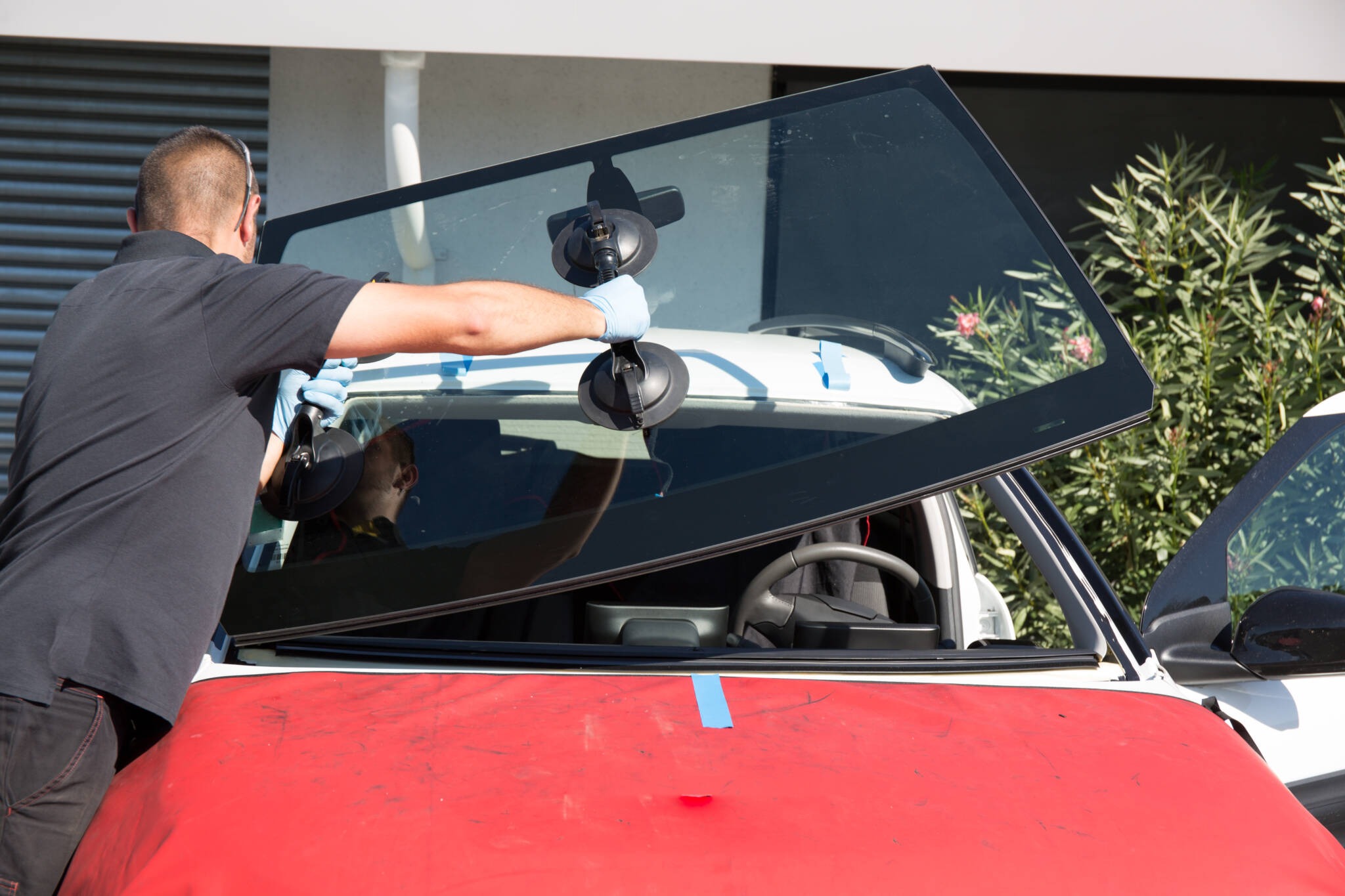
Once repair falls off the table, the bill changes shape. Replacement includes removal, cleanup, adhesive work, new glass, molding, curing time, and sometimes electronic calibration. The old idea that a windshield is a simple sheet of glass does not fit many vehicles on U.S. roads now.
Vehicle Features Push the Quote Higher
A basic windshield on an older sedan may stay in a manageable price range. A newer SUV with rain sensors, acoustic glass, heated wiper zones, a heads-up display, or a forward camera can cost far more because the glass itself must match those features.
Caliber says ADAS calibration estimates generally range from $300 to $600, depending on the vehicle and what needs calibration. That cost can sit on top of the replacement, which is why two drivers can call the same shop and get wildly different quotes for what sounds like the same job.
A 2012 Corolla and a 2024 Subaru Outback may both have cracked glass, but they are not the same repair story. The Subaru may need camera calibration after the windshield comes out. That step is not decoration. It helps the car’s safety systems read the road correctly.
Cheap Glass Can Become Expensive Later
Aftermarket glass can be a fair choice when it fits well, meets safety standards, and works with the vehicle’s sensors. The risk starts when the price is low because something has been skipped. Poor molding, weak adhesive prep, or wrong glass thickness can create noise, leaks, camera issues, or fitment headaches.
A bad replacement often announces itself slowly. You may hear a whistle at highway speed, see moisture near the headliner, or notice that lane warnings act strange. By then, the first shop may blame the car, the glass, the weather, or the last person who touched it.
The smarter move is to ask what the quote includes before the appointment. Does it include molding? Does it include mobile service? Does it include calibration? Does it include warranty coverage for leaks and defects? The number alone tells you less than the work behind it.
Insurance, Deductibles, and ADAS Calibration Change the Decision
The sticker price is only one part of the cost comparison. Insurance can make repair nearly painless or make replacement feel pointless if your deductible is close to the total bill. American drivers need to compare the real out-of-pocket cost, not the shop’s total invoice.
Glass Coverage Can Make Repair the Easy Choice
Many comprehensive policies handle glass damage, but the details vary by state, insurer, and coverage level. AAA says windshield replacement commonly falls under comprehensive insurance, subject to the deductible, while some states require deductible waivers for replacement.
Repair often gets friendlier treatment because insurers would rather pay for a small fix than a full replacement. Some policies waive repair deductibles or send drivers to approved glass networks. That can make a quick chip repair the obvious move when the damage qualifies.
Still, you should not assume every “free repair” is free in every sense. Ask whether the claim affects your record, whether the shop uses your preferred glass type, and whether you can choose the technician. A five-minute phone call can prevent an annoying surprise later.
Calibration Can Be the Hidden Line Item
ADAS calibration is the cost many drivers miss until the quote lands. AAA reported that ADAS-related windshield glass replacement and calibration costs averaged $360, or 25.4% of the total repair estimate in its study of ADAS repair costs.
That number explains why newer cars change the math. If your vehicle has lane departure warning, adaptive cruise control, automatic emergency braking, or a camera mounted near the rearview mirror, the windshield may be part of a larger safety system. Removing and replacing it can disturb camera alignment.
Skipping calibration to save money is a bad bet. The car may still drive normally, and the warning lights may stay quiet, but the camera can be slightly off. Slightly off is enough when a system must judge lane lines, distance, and closing speed at highway pace.
Choosing the Right Option Before the Crack Spreads
The best decision happens before panic starts. You do not need to become a glass expert, but you do need a clear filter. Repair is about preserving safe glass. Replacement is about restoring safety when the glass can no longer be trusted.
A Simple Decision Rule for American Drivers
Start with four questions. Is the damage smaller than a dollar bill? Is it outside the driver’s main view? Is it away from the edge? Is the glass still smooth with no deep spreading lines? If the answer is yes, repair may be worth pricing first.
Now flip the test. If the crack touches the edge, blocks your sight, spreads across the windshield, or sits near a camera bracket, replacement deserves the lead. A technician should still inspect it, but your expectations should shift before you hear the quote.
This rule helps because it cuts through sales pressure. A repair-first shop may try to save glass that should go. A replacement-heavy shop may push new glass too fast. Your job is not to argue with the expert. Your job is to ask better questions.
Quotes Should Compare the Same Job
A fair comparison means every quote includes the same parts of the job. One shop may quote only the glass. Another may include molding, mobile service, disposal, recalibration, and warranty. The cheaper quote may be cheaper because it is incomplete.
Ask each shop for the glass brand, whether it is OEM or aftermarket, the adhesive curing time, the warranty terms, and whether calibration is included. For ADAS vehicles, ask whether the calibration is static, dynamic, or both. A vague answer is a warning sign.
The quiet truth is that the right choice often feels boring. You repair early, replace when safety demands it, document the work, and avoid bargain shortcuts on sensor-heavy vehicles. Cracked windshield repair is the better deal when the damage is small and clean, but full replacement is the better decision when visibility, structure, or driver-assist systems are at risk. Get a written quote, check your insurance details, and handle the glass before one crack turns into a larger bill.
Frequently Asked Questions
How much does it cost to repair a small windshield chip?
A small chip repair often costs far less than replacement, and some insurance policies may cover it with little or no deductible. Price depends on chip size, location, depth, and local labor rates. Fast action matters because dirt and spreading cracks can make repair harder.
When should a cracked windshield be replaced instead of repaired?
Replacement is usually the safer choice when the crack reaches an edge, blocks the driver’s view, spreads quickly, or sits near a camera system. Deep damage, multiple crack legs, and inner-layer damage also push the decision toward new glass.
Does car insurance cover windshield replacement in the United States?
Comprehensive coverage often applies to windshield replacement, but deductibles and rules vary by insurer and state. Some states have special glass laws that reduce or waive deductibles. Always ask your insurer how the claim affects your out-of-pocket cost.
Why does windshield replacement cost more on newer cars?
Newer cars often have cameras, rain sensors, heated glass areas, acoustic layers, or heads-up display glass. Those features require specific windshield parts and may require ADAS calibration after installation, which can add hundreds of dollars to the final bill.
Is ADAS calibration required after windshield replacement?
Many vehicles with forward-facing cameras need calibration after windshield replacement. The camera must read lanes, vehicles, and road markings correctly. Skipping calibration can weaken safety features even when the car appears to drive normally.
Can a long windshield crack still be repaired?
Some long cracks can be repaired by specialized shops, but many are poor repair candidates. Length, location, contamination, edge contact, and driver visibility matter. A long repair may still leave distortion, so replacement is often the cleaner safety choice.
Is OEM windshield glass worth the extra cost?
OEM glass can be worth it on vehicles with cameras, heads-up displays, acoustic glass, or strict fitment needs. Good aftermarket glass may work well on simpler vehicles. The best choice depends on sensor compatibility, warranty, and installer skill.
How fast should I fix a cracked windshield?
Handle it as soon as you notice it. Heat, cold, road vibration, and moisture can spread damage fast. Early repair can save the original glass, while waiting can turn a small chip into a full replacement job.