
Honda Civic Suspension Wear Problems Common in Older Models
A Civic can feel loyal for years, then one pothole exposes every tired part underneath it. For many American owners, Honda Civic suspension issues do not show up as one dramatic failure. They creep in through clunks, uneven tire wear, loose steering, and that tired floating feeling on rough city roads. Older Civics earned their reputation because they keep running long after many compact cars give up, but that durability can hide worn suspension parts until the car starts begging for attention.
That is why smart ownership matters more than blind trust. A 2008 Civic in Ohio that sees winter salt, a 2012 Civic in Arizona that faces cracked desert pavement, and a 1999 Civic in New Jersey that lives on patched streets may all wear differently. Still, the pattern is familiar. Rubber dries out. Joints loosen. Struts lose control. Bushings stop absorbing road shock. If you follow practical vehicle maintenance guidance for everyday drivers, you can catch small warning signs before they turn into steering problems, tire damage, or a repair bill that stings harder than it should.
Honda Civic Suspension Wear Usually Starts Before Drivers Notice It
Older Civics rarely wake up one morning with a completely failed suspension. The wear often begins in small rubber and metal parts that sit out of sight, taking every bump, corner, brake dive, and driveway angle. The frustrating part is that the car may still drive “fine” while the parts underneath are already past their best days.
Why Older Honda Civic Suspension Feels Loose Over Time
Older Honda Civic suspension tends to lose its tight feel because the system depends on parts that flex by design. Control arm bushings, sway bar links, strut mounts, and ball joints all allow movement, but only within limits. Once those limits stretch, the car stops feeling crisp.
A driver in Chicago may notice the steering wheel needs more correction on grooved expressways. Someone in Atlanta may hear a hollow knock when turning into a steep apartment entrance. These signs feel minor at first because the car still starts, brakes, and gets to work. That is the trap.
Rubber parts suffer most because they age even when mileage stays low. Heat, road salt, oil leaks, and years of compression change the way rubber behaves. A Civic with 90,000 city miles can feel more worn than one with 150,000 highway miles because stop-and-go streets punish suspension parts in a tighter, harsher rhythm.
How Small Noises Turn Into Bigger Repair Clues
A single clunk does not always mean disaster, but repeated noise deserves attention. A worn sway bar link may tap over small bumps. A bad strut mount may pop during steering. A loose ball joint may knock when the wheel drops into a hole.
The sound matters less than the pattern. Noise that appears only on one side often points to a localized part, while noise from both sides may suggest aged struts or multiple worn bushings. A Civic that rattles over small cracks but feels steady on the highway often has different wear than one that floats at 65 mph.
Many owners waste money because they chase the loudest noise first. The smarter move is a full front-end inspection before buying parts. A $40 link can sound dramatic, while a worn lower ball joint may sound boring until it becomes a safety issue.
The Parts That Take the Worst Beating on Older Civics
Once the early warning signs appear, the next step is knowing which parts usually carry the blame. Civic control arm bushings, struts, mounts, links, and joints each fail in their own way. Guessing from the driver’s seat helps, but a raised car and a careful inspection tell the truth.
Civic Control Arm Bushings Can Change the Whole Ride
Civic control arm bushings may look like small rubber inserts, but they control the way the wheel sits under braking, cornering, and rough pavement. When they crack or separate, the front end can shift in ways the driver feels as wandering, thudding, or uneven braking feel.
A common real-world example is the older Civic that pulls slightly when braking, even after new pads and a fresh alignment. The brakes may not be the problem. If the control arm moves under load, the tire angle changes for a moment, and the car feels like it has a mind of its own.
The counterintuitive part is that Civic control arm bushings can fail without making much noise. A loud suspension often gets attention first, but a quiet shifting bushing can eat tires and make the car feel unstable. Quiet wear is still wear.
Civic Ball Joint Symptoms Should Never Be Ignored
Civic ball joint symptoms often include clunking, looseness, steering play, or uneven tire wear. The lower ball joint carries serious load because it helps connect the control arm to the steering knuckle. When it wears, the wheel no longer follows the road with the same precision.
A mechanic may check it by lifting the car and testing wheel movement, but the driver may feel the warning earlier. The steering may feel vague at parking-lot speeds. The front end may knock when crossing a driveway lip. The tire may develop odd edge wear that no rotation schedule can hide.
This is one area where patience can cost more than money. Civic ball joint symptoms deserve quick inspection because a failed joint can compromise wheel control. Plenty of suspension repairs can wait for a planned budget weekend. This one should not sit on the “later” list.
Struts, Tires, and Alignment Tell the Story Together
After bushings and joints, the larger pattern starts showing through the tires and ride quality. Honda Civic strut replacement often enters the conversation when the car bounces, dives, leans, or feels unsettled over repeated bumps. Yet struts alone do not explain every handling complaint, and replacing them without checking the rest can leave the owner disappointed.
When Honda Civic Strut Replacement Makes Sense
Honda Civic strut replacement makes sense when the struts no longer control spring movement. A worn strut may leak, bounce after a bump, dive hard under braking, or let the car feel unsettled on wavy pavement. The car may not feel broken, but it stops feeling planted.
A Civic used for long commutes on I-95 may show worn struts through highway float. A college student’s Civic in Boston may show it through harsh bangs over frost heaves. Same part, different symptom flavor. Road environment shapes the complaint.
New struts can make an old Civic feel younger, but only when the related parts support the repair. Strut mounts, bump stops, and alignment all matter. Installing struts while ignoring worn mounts is like putting new shoes on a loose floorboard. The first step looks good, but the foundation still complains.
Why Tire Wear Often Reveals Hidden Suspension Damage
Tires act like the report card for the whole suspension. Feathered edges may point toward toe issues. Inner shoulder wear may suggest camber problems, sagging parts, or worn bushings. Cupping can happen when the tire bounces instead of staying controlled against the road.
Many drivers blame the tire brand when the real culprit sits behind the wheel well. A Civic that wears through one front tire edge every 8,000 miles does not need another tire sale pitch. It needs the suspension and alignment checked as a connected system.
The odd truth is that fresh tires can hide suspension trouble for a short time. New tread feels smoother, so the owner relaxes. Then the same wear pattern returns. That is the car repeating itself because nobody fixed the reason the tires failed.
Repair Choices Should Match the Car’s Age and Use
Older Civics sit in a strange place. They are often worth keeping, but not every repair deserves top-dollar parts. The goal is not to rebuild the car like a showpiece. The goal is to make smart choices that protect safety, tire life, and daily comfort without throwing money at parts that still work.
How to Prioritize Suspension Repairs on a Budget
A budget repair plan should start with safety parts before comfort parts. Ball joints, tie rod ends, broken springs, and badly worn control arms rank higher than a minor sway bar link noise. Annoying is not the same as dangerous.
A driver with a 2006 Civic worth a few thousand dollars may need to think in stages. Fix the unsafe looseness first. Protect the tires next. Improve ride comfort after that. This order keeps the car usable without turning one repair visit into a financial ambush.
Parts quality also matters. The cheapest part on the shelf may fit, but fit is not the whole story. Suspension parts live under load, and weak rubber can fail early. For a daily driver, mid-grade or trusted replacement parts often make more sense than bargain parts that repeat the same labor twice.
How Climate and Driving Style Change Wear Patterns
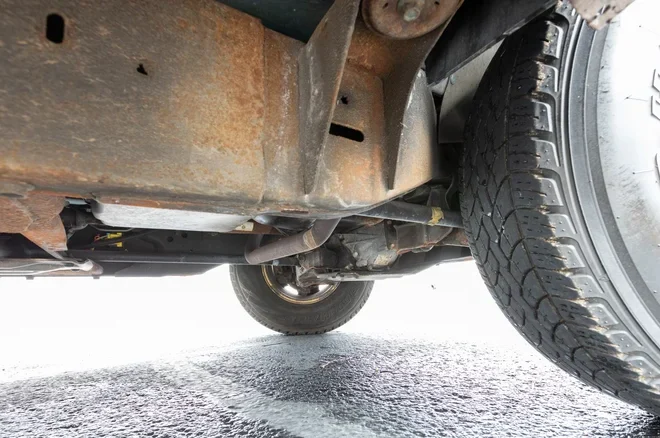
Climate changes the way a Civic ages. Northern cars often fight rusted bolts, corroded control arms, and seized alignment hardware. Southern cars may deal more with dried rubber, heat-cooked strut mounts, and cracked bushings. Coastal cars get salt air, which quietly attacks metal even when winter never arrives.
Driving style adds another layer. A cautious highway commuter may get years from original suspension parts. A delivery driver who hits driveways, speed bumps, and broken pavement all day may wear parts faster than the odometer suggests. Mileage tells part of the story, but use tells the rest.
That is why a pre-repair inspection should never rely on age alone. A clean 2010 Civic from a dry state may need different work than a rusty 2015 Civic from a snow belt city. The car’s history is written underneath it, not in a generic mileage chart.
Conclusion
An older Civic can still be one of the smartest compact cars to keep on the road, but only when the underside gets the same respect as the engine. Drivers often brag about high mileage, yet they ignore the parts that decide whether the car tracks straight, stops cleanly, and keeps tires alive. That is backward.
The best approach is simple: listen early, inspect fully, and repair in the right order. Do not let a small clunk become a vague steering problem. Do not buy another set of tires before checking why the last set wore badly. Do not assume age alone tells the whole story. Honda Civic suspension issues become manageable when you treat them as a system, not as random noises under the car.
Book a proper suspension inspection before the next alignment or tire purchase, and make every dollar fix the cause instead of covering the symptom.
Frequently Asked Questions
What are the most common suspension problems in older Honda Civic models?
Worn control arm bushings, tired struts, loose sway bar links, bad strut mounts, and aging ball joints are the most common problems. The exact issue depends on mileage, climate, road conditions, and how the car was driven over the years.
How do I know if my Honda Civic control arm bushings are bad?
Look for clunks, steering wander, uneven tire wear, or a pull when braking. A visual inspection may show cracked rubber or separation inside the bushing. A shop can confirm movement by loading the suspension and checking for excess play.
What do bad struts feel like on a Honda Civic?
Bad struts often make the car bounce, float, dive during braking, or feel unsettled over repeated bumps. You may also notice tire cupping or a harsher ride. Leaking fluid around the strut body is another strong warning sign.
Are Civic ball joint symptoms dangerous to ignore?
Yes. A worn ball joint affects wheel control and steering stability. Clunking, looseness, uneven tire wear, or play during inspection should be taken seriously. If a ball joint is badly worn, repair should happen before regular driving continues.
Why does my Honda Civic clunk over small bumps?
Small-bump clunks often come from sway bar links, strut mounts, control arm bushings, or loose suspension hardware. The sound location helps, but inspection matters more than guessing. A small part can sound loud when it moves under load.
Should I replace struts and control arms at the same time?
It depends on inspection results. Replacing both can make sense when the car has high mileage and both parts show wear. If only one part has failed, targeted repair may be smarter. Always align the car after major suspension work.
Can bad suspension cause uneven tire wear on a Honda Civic?
Yes. Worn bushings, weak struts, loose joints, or poor alignment can all damage tire wear patterns. New tires may feel better at first, but the same wear will return unless the suspension problem gets fixed first.
How often should older Honda Civic suspension be inspected?
A yearly inspection works well for most older Civics, especially before buying tires or taking a long road trip. Cars driven on rough roads, salted winter streets, or daily delivery routes should be checked more often because wear develops faster.