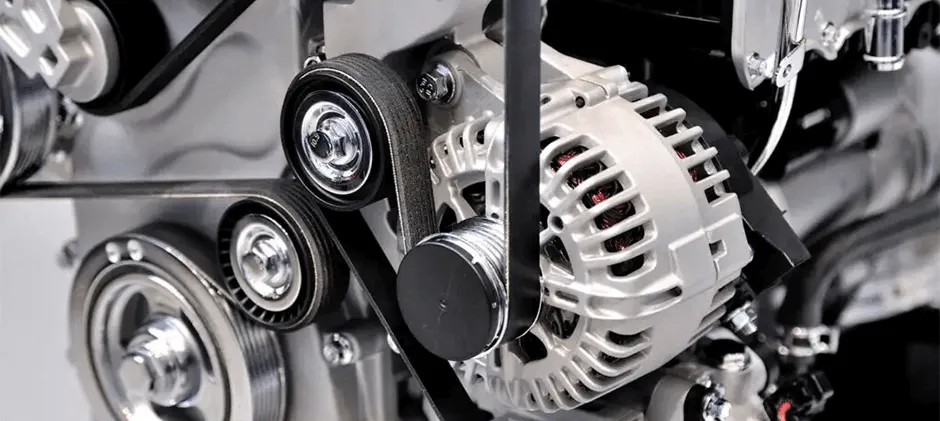
Worn Serpentine Belt Symptoms That Lead to Complete Engine Failure
A cheap belt can shut down an expensive engine faster than most drivers expect. Many people hear a squeal, see a faint dashboard light, or smell warm rubber and keep driving because the car still moves. That is the trap. Serpentine belt symptoms often begin as small annoyances, but the belt runs parts your engine depends on every minute. In many American cars and trucks, one long belt can help drive the alternator, power steering pump, water pump, and air conditioning compressor. When it slips or breaks, you may lose charging, cooling, steering assist, and safe drivability in the same trip. For drivers comparing repair advice through trusted automotive maintenance resources, the smartest move is simple: treat belt trouble as an early warning, not background noise. A worn belt rarely fixes itself. It usually gives you a few chances to act before the repair bill gets rude.
Serpentine Belt Symptoms That Start Small but Travel Fast
The first signs rarely feel dramatic. That is why they get ignored. A belt does not need to snap before it causes trouble; it only needs to lose grip, run off-line, glaze over, or crack enough to stop moving pulleys with steady force.
Engine Belt Noise That Changes With Speed
A sharp squeal during startup is one of the most common early warnings. Cold mornings in Ohio, damp weather in Georgia, or a quick start after rain can make belt noise easier to notice. The sound may fade after a few seconds, which tricks drivers into thinking the problem left with it.
That short squeal often means the belt is slipping before it gains grip. The tensioner may also be weak, or one pulley may not spin cleanly. Engine belt noise that rises when you press the gas deserves attention because belt speed follows engine speed.
A deeper chirp can point to misalignment. That sound has a different rhythm than a squeal, almost like a tiny bird under the hood. The strange part is that a newer belt can still chirp if a pulley sits slightly crooked, so replacing the belt alone may not solve the problem.
Cracked Serpentine Belt Edges and Shiny Glazing
A belt with visible cracks has moved past cosmetic wear. Heat, age, oil exposure, and constant bending harden the rubber until it loses flexibility. On a daily driver in Texas or Arizona, under-hood heat can speed that aging faster than mileage alone suggests.
A cracked serpentine belt may still look usable from the top. The damage often hides along the ribs, edges, or underside where the belt contacts the pulleys. A flashlight helps, but a mechanic will usually rotate the belt path by hand during inspection to see what the quick glance misses.
Shiny glazing is another bad sign. A glossy belt face means the rubber has hardened and polished itself against metal. That surface cannot grip the pulleys well, and once grip drops, heat rises, wear speeds up, and the belt starts acting older than it is.
How Belt Failure Steals Power From Critical Systems
A failing belt does not attack the engine directly at first. It starves the systems that protect the engine. That is the part many drivers miss, and it explains why a belt issue can turn into overheating, battery failure, or steering trouble during a single commute.
Why Battery Warning Lights Can Point to Belt Trouble
A battery light does not always mean the battery is dying. It often means the alternator is not charging the electrical system. Since the serpentine belt helps spin the alternator on many vehicles, a slipping belt can make a healthy alternator act dead.
A driver in suburban Dallas may notice dim lights at idle, then normal brightness on the highway. That pattern can happen when belt grip changes with speed and load. The alternator may produce enough current at one moment, then fall behind when the belt slips again.
This is where guessing gets expensive. Replacing a battery without checking the belt path can leave you stranded twice. A charging test, belt inspection, and tensioner check should happen together because the fault often sits in the connection between parts, not one part alone.
Power Steering Loss Feels Worse Than Expected
Older hydraulic steering systems depend on belt-driven power assist. When the belt slips or breaks, the steering wheel can suddenly feel heavy, especially at low speed. Parking lots, driveways, and tight turns become harder in the exact moments when control matters most.
This catches people off guard because the car may still steer. It simply takes far more arm effort. A smaller driver backing out of a crowded grocery store lot in Florida can feel the wheel stiffen and assume the steering rack failed, while the real problem sits at the front of the engine.
Electric power steering has changed this story on many newer vehicles, but belt trouble can still affect charging and system voltage. Low voltage can create strange steering messages, warning lights, or limp behavior. The belt may not touch the steering pump, yet it can still disturb the system that feeds it.
Overheating Is Where the Belt Problem Turns Expensive
Noise and warning lights are annoying. Overheating is different. Once the belt stops driving the water pump on vehicles built that way, coolant may stop moving through the engine, and the temperature gauge can climb fast enough to ruin a normal day.
Car Overheating Warning Signs After a Belt Break
A rising temperature gauge should never be treated as a suggestion. Steam, coolant smell, sudden cabin heat loss, or a red temperature warning means the engine is already in danger. Car overheating warning signs after a belt break can appear within minutes, especially in traffic.
Many American drivers learn this the hard way during summer congestion. A minivan crawling through Los Angeles traffic with the air conditioning on has little margin for cooling trouble. If the belt stops the water pump, airflow alone will not save the engine while the vehicle sits still.
The counterintuitive move is to shut the engine off even when you are close to home. Five more miles can cost far more than a tow. Heat damage does not care that the driveway is around the corner.
The Water Pump Connection Drivers Often Miss
Some engines use the serpentine belt to drive the water pump, while others use a timing belt, timing chain, or separate setup. That detail matters because belt failure risk changes from one engine design to another. Owners should not assume every car reacts the same way.
On vehicles where the water pump depends on the serpentine belt, the cooling system loses circulation when the belt fails. Coolant may be full, the radiator may be fine, and the thermostat may work, yet the engine still overheats because the pump is not moving the fluid.
A smart inspection checks the full belt drive system, not only the belt. The tensioner, idler pulleys, water pump pulley, and accessory bearings all affect the belt’s path. A rough pulley can destroy a fresh belt, which is why the cheapest repair is not always the repair that lasts.
Replacement Timing, Repair Cost, and Smart Prevention
A belt usually gives warning before it fails, but prevention works better than waiting for noise. Modern belts last longer than older ones, so many drivers forget they exist. That silence is useful until age, heat, and pulley wear catch up together.
Belt Replacement Cost Versus Emergency Repair
Planned belt service is usually cheaper than roadside failure. Belt replacement cost varies by vehicle, labor rate, and whether the tensioner or pulleys need work, but a scheduled repair often stays manageable compared with an overheated engine or tow bill.
A shop in Kansas City may recommend replacing the belt and tensioner together if the tensioner arm bounces, squeaks, or cannot hold proper pressure. That may feel like an upsell until you understand the tensioner keeps the belt planted. A weak tensioner can ruin a new belt before the next oil change.
Emergency repair adds stress that does not show on the invoice. You lose time, arrange towing, miss work, and make decisions while irritated. Calm maintenance decisions almost always beat parking-lot decisions made beside a disabled car.
When Mileage Does Not Tell the Whole Story
Mileage helps, but it does not tell the full belt story. A low-mileage car parked outside in Nevada can age its rubber from heat and ozone. A delivery vehicle in New York may pile up stop-and-go hours that wear pulleys and tensioners faster than the odometer suggests.
Inspection should focus on condition, not pride. Look for cracks, missing rib chunks, frayed edges, glazing, squeals, chirps, wobbling pulleys, or accessories that drag. Owners can also check for open safety issues through the NHTSA recall lookup, especially when belt routing or accessory problems appear unusual for the vehicle.
Good prevention has a boring rhythm. Ask for a belt check during oil changes, before long road trips, and before heavy seasonal driving. That small habit can catch serpentine belt symptoms while they still belong to the cheap side of the repair counter.
Complete Engine Failure Usually Starts With Delay
The belt does not need to be the most expensive part to cause the most expensive damage. That is the lesson. A small rubber strip can disable charging, cooling, steering assist, and drivability because it sits at the center of several systems you rarely think about.
Why Drivers Keep Going When They Should Stop
Most drivers continue because the car still runs. That choice feels reasonable in the moment. The engine has not seized, the radio still plays, and the road shoulder feels unsafe, so they convince themselves the warning can wait.
That is how minor belt trouble becomes major repair work. An alternator stops charging, the battery drains, the water pump quits on certain engines, and heat builds faster than expected. The dashboard may show several warnings at once because one belt failure can starve many systems together.
The better rule is plain: if the belt breaks, stop driving as soon as safety allows. If the temperature climbs, shut the engine down. A tow feels inconvenient, but it protects the parts that cost real money.
The Inspection Habit That Saves Engines
A strong belt inspection takes only a few minutes when the hood is already open. The best techs do not stare at the top surface and call it done. They check ribs, edges, tensioner movement, pulley alignment, bearing noise, and accessory drag.
Drivers can help by describing symptoms clearly. Say when the noise happens, whether rain changes it, whether the battery light flickers, and whether steering feels different at low speed. That information helps a shop find the cause instead of replacing parts by guesswork.
Your car does not need perfect care to last. It needs timely care. Treat serpentine belt symptoms as a warning from the engine room, not a background sound, and schedule an inspection before the belt decides the timing for you.
Frequently Asked Questions
What are the first worn serpentine belt symptoms drivers notice?
Squealing at startup, chirping while accelerating, visible cracks, shiny glazing, battery warning lights, and stiff steering are common early signs. Some vehicles also show overheating if the belt drives the water pump. Small symptoms deserve fast inspection because belt failure can affect several systems at once.
Can a bad serpentine belt cause a car to overheat?
Yes, but it depends on engine design. If the serpentine belt drives the water pump, a broken or slipping belt can stop coolant circulation and cause overheating. Stop driving when the temperature gauge climbs, because heat damage can happen faster than many drivers expect.
How long can you drive with engine belt noise?
Driving with belt noise is a gamble. A short squeal may last weeks, or it may turn into sudden belt failure during the next trip. Noise means the belt, tensioner, or pulley system needs attention, so inspection should happen before a highway drive or hot-weather commute.
What does a cracked serpentine belt look like?
Cracks often appear across the ribs on the underside of the belt. You may also see frayed edges, missing rib sections, shiny glazing, or rough rubber. Some damage hides from a quick top-side glance, so a proper inspection checks the full belt path.
Does a serpentine belt affect the battery?
Yes. On many vehicles, the belt spins the alternator, which charges the battery while the engine runs. If the belt slips or breaks, the alternator may stop charging. The battery light can appear even when the battery itself is still healthy.
What happens if the serpentine belt breaks while driving?
You may lose alternator charging, air conditioning, power steering assist, and cooling system function depending on the vehicle. Warning lights can appear quickly. Pull over safely, shut the engine off if it overheats, and arrange repair before driving farther.
How much does belt replacement cost in the USA?
Costs vary by vehicle, labor rate, and related parts. A basic belt replacement often costs far less than repairs after overheating or towing. If the tensioner or pulleys are worn, replacing those parts with the belt can prevent repeat failure.
When should a serpentine belt be replaced before it fails?
Replace it when cracks, glazing, fraying, squealing, chirping, or tension problems appear. Mileage guidelines help, but heat, age, oil leaks, and pulley wear matter too. Ask for belt inspection during oil changes and before long trips.