Chevrolet Silverado Rust Problems Affecting Frame and Body Panels
A clean Silverado can hide ugly trouble underneath. Across the Rust Belt, coastal towns, farm roads, and snow-heavy states, Silverado rust problems often start long before a driver sees bubbling paint or a flaky rocker panel. Salt, trapped mud, poor drainage, chipped coatings, and years of hard use can turn a strong truck into a repair decision faster than many owners expect. That matters because rust on a pickup is not only about looks. It can affect resale value, inspection results, mounting points, brake lines, bed supports, and the frame areas that carry real weight. Owners who follow practical vehicle maintenance advice from trusted sources like automotive ownership guidance usually catch small warning signs before they become expensive metal work. The key is knowing where rust starts, how it spreads, and when repair still makes financial sense.
Why Silverado Rust Problems Start Before Owners Notice Them
Rust rarely begins as a dramatic hole in the frame. It usually begins as a quiet failure of protection: one chip in a coating, one seam that holds wet dirt, one winter of road salt that never gets washed out. The Silverado is a work truck for many Americans, so it sees boat ramps, gravel roads, job sites, snowbanks, and wet grass. That use is normal. The damage starts when moisture stays in hidden pockets long enough to eat through paint, primer, and metal.
How Chevrolet Frame Rust Forms Under Real Driving Conditions
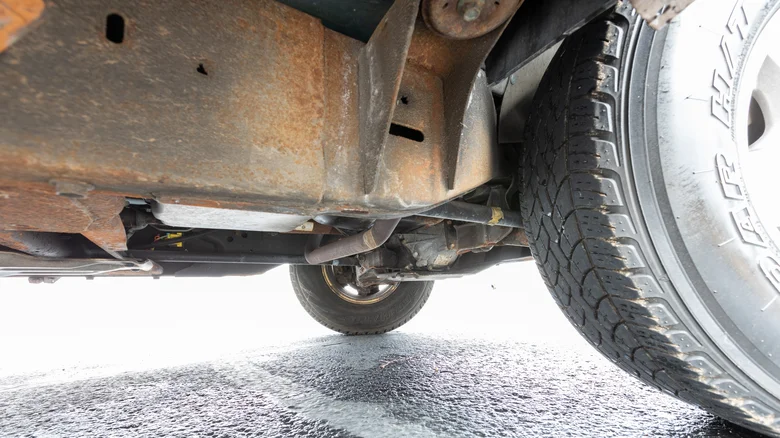
Chevrolet frame rust often starts where the frame coating gets scraped, cracked, or thinned by years of road debris. A truck driven through Michigan winters or Pennsylvania back roads faces a different life than one parked in dry Arizona air. Salt brine sticks to the underside, creeps into seams, and keeps working even after the truck looks dry from the outside.
The sneaky part is location. Drivers may wash the hood, doors, and bed sides while the frame rails, crossmembers, and brackets keep holding grime. That is where corrosion gets comfortable. It does not need daylight. It needs oxygen, moisture, and time.
A smart owner checks the frame with a flashlight after winter, not only before selling the truck. Surface rust can look scary but stay manageable. Scaling rust that flakes off in thick layers tells a different story because the metal has already lost thickness.
Why Truck Body Panel Corrosion Spreads From Small Seams
Truck body panel corrosion often begins at the lower door edges, cab corners, wheel arches, rocker panels, and bed sides. These areas collect road spray and dirt, then hold damp grit against the metal. Paint may still shine on the outside while the backside of the panel starts to fail.
A common example is a Silverado with clean upper doors and bubbling rear wheel arches. The owner may think it is only cosmetic, but the problem often started behind the lip where mud packed into the arch. Once rust pushes outward, sanding the visible bubble alone rarely fixes the source.
The counterintuitive truth is that washing can miss the places that matter most. A shiny truck can still be rotting from the inside of a seam. Careful rinsing under the wheel wells and behind the rockers does more than another coat of wax on the hood.
Where Frame and Body Damage Becomes a Safety Concern
Cosmetic rust annoys owners. Structural rust changes the conversation. A Silverado frame carries towing load, suspension stress, bed weight, and impact forces. Body panels matter too, especially when rust reaches mounting points, cab supports, and areas tied to crash protection. You do not need to panic over every brown patch, but you should know the line between ugly and unsafe.
When Surface Rust Turns Into Structural Weakness
Surface rust sits on the metal and can often be cleaned, treated, sealed, and watched. Structural rust eats into the metal until it flakes, pits, cracks, or opens holes. That difference matters more than color. A brown frame is not always a failed frame, but a frame that sheds chunks under a screwdriver deserves serious attention.
A mechanic may tap or probe the frame near suspension mounts, shock brackets, leaf spring hangers, and crossmembers. Those spots take stress every time the truck turns, brakes, hits a pothole, or pulls a trailer. Weak metal there is not a beauty issue.
Owners sometimes make the mistake of judging rust by distance. They think a rust hole far from the engine is less serious. That is wrong. A weakened rear frame section near a hitch or spring mount can affect towing safety, load control, and repair value in one hit.
Why Used Silverado Inspection Should Go Beyond Paint
Used Silverado inspection needs to include the underside before the buyer talks price. Many trucks look strong from ten feet away because large tires, fresh polish, and a clean interior distract the eye. A lift or crawl-under check tells the better story.
The inspection should focus on frame rails, cab mounts, brake lines, fuel lines, bed supports, rocker panels, wheel arches, and door bottoms. A truck that spent winters in Ohio, New York, Wisconsin, or Maine may need closer attention than the same model from Nevada or New Mexico. Location history matters.
A practical buyer also checks for recent undercoating. Fresh black coating is not always bad, but it can hide scaling rust. Good protection looks even and bonded. A rushed cover-up looks thick, gummy, and suspicious around seams, holes, and brackets.
Repair Choices Depend on Depth, Location, and Truck Value
Rust repair is not one decision. It is a set of decisions based on how deep the corrosion goes, where it sits, and what the truck is worth after the work. Some repairs buy years of use. Others only delay a bigger failure. The wrong move is spending body-shop money on metal that should have been inspected first.
What Rust Repair Cost Usually Reflects
Rust repair cost depends on labor more than materials. Sandpaper, primer, patch panels, rust converter, and paint are not the expensive part. Cutting, welding, shaping, prepping, blending paint, and reaching hidden areas eat hours fast.
A rocker panel repair on a work truck may be worth it if the frame is solid and the engine runs strong. A frame section with heavy scale near suspension points demands a harsher calculation. Repairing body panels while ignoring the structure underneath is like repainting a porch while the posts are sinking.
Rust repair cost also rises when corrosion returns from behind the repair. That happens when the visible metal gets cleaned but the inner seam stays contaminated. Good shops remove more than the eye can see because rust loves shortcuts.
How Chevrolet Frame Rust Changes the Repair Decision
Chevrolet frame rust can push an owner from “fix it” to “walk away” when the affected area carries load. Welding patches onto a compromised frame may be possible in some cases, but it requires skill, clean metal, and a repair plan that respects stress points. Cheap welds can create false confidence.
A real-world example is a Silverado used for towing a landscaping trailer. If rust attacks the rear frame near the hitch and spring hangers, the repair decision has to include load demands, not only daily driving. A truck that tows needs more structural trust than a weekend hardware-store runner.
The unexpected insight is that a cheaper truck may deserve better inspection than a costly one. Buyers lower their guard when the price seems fair. Rust is where a bargain often hides its bill.
Prevention Works Best When It Becomes a Seasonal Habit
Rust control is not a one-time spray and forget routine. It works when owners build small habits around weather, storage, washing, and inspection. A Silverado that gets cleaned underneath after salt season, drained after muddy use, and checked before winter usually ages better than one that only gets attention when paint bubbles appear.
How Washing and Drainage Slow Truck Body Panel Corrosion
Truck body panel corrosion slows down when moisture cannot sit trapped against seams. Rinsing wheel wells, rocker areas, lower doors, and bed corners after winter storms removes salt before it keeps working. The job does not need to be fancy. It needs to be consistent.
Drain holes matter more than many owners think. Door bottoms and rocker areas often have small drains that clog with dirt. When those holes clog, water sits inside the panel, and rust starts from the back. A quick check with a plastic trim tool can prevent a repair that later costs far more.
A Silverado parked on wet grass or dirt also faces more underside moisture than one parked on pavement or gravel. That detail sounds small until years pass. Storage habits quietly decide how fast corrosion builds.
Why Used Silverado Inspection Should Shape Long-Term Ownership
Used Silverado inspection should not end after purchase. Owners should repeat a lighter version each season because rust changes with use. A truck bought clean in September may look different after one Northeast winter if salt sits under it until spring.
A simple owner checklist can help: rinse the underside after storms, inspect frame rails twice a year, clear drain holes, touch up paint chips, and treat early surface rust before it spreads. Five small habits beat one expensive rescue attempt.
The best prevention mindset is humble. Rust does not care that the truck runs well, looks tough, or has low miles. Metal follows conditions, not pride.
Conclusion
A Silverado can serve for years when the owner respects what rust is trying to do. The mistake is treating corrosion as a cosmetic annoyance until it reaches the places that hold weight, absorb stress, and keep the truck worth repairing. Once metal starts disappearing, every choice gets narrower.
That does not mean every brown frame rail is a disaster. It means you need a sharper eye, better seasonal habits, and the discipline to inspect before you spend money on shine. Silverado rust problems become manageable when you catch them early, clean the hidden areas, and separate surface staining from metal loss.
If you own one, crawl under it before the next season changes. If you plan to buy one, inspect the underside before you fall in love with the cab. The strongest truck is the one you trust where nobody else is looking.
Frequently Asked Questions
What years of Chevrolet Silverado have the most rust issues?
Rust risk depends more on climate, care, and road salt exposure than the model year alone. Silverados from snow-heavy states often show more frame and rocker rust than older trucks from dry regions. Always inspect the underside instead of judging by year alone.
How can I tell if Silverado frame rust is dangerous?
Danger signs include deep scaling, holes, cracked metal, weak suspension mounts, rust near hitch areas, and flakes that break off in thick layers. A mechanic should inspect any frame rust near load-bearing points before the truck tows, hauls, or passes inspection.
Is bubbling paint on Silverado panels always serious?
Bubbling paint usually means rust has started underneath the surface. It may stay cosmetic at first, but it often spreads from seams, wheel arches, or lower doors. Early repair costs less because the metal has not fully opened yet.
Can undercoating stop rust on a Chevrolet Silverado?
Undercoating can help when applied to clean, dry, stable metal. It can make things worse when sprayed over active rust, trapped salt, or wet grime. The surface must be cleaned and inspected first, or the coating may hide damage.
What areas should I check before buying a used Silverado?
Check the frame rails, crossmembers, brake lines, fuel lines, rocker panels, cab corners, wheel arches, bed supports, door bottoms, spring hangers, and hitch area. A lift inspection is worth the cost when the truck comes from a salt-heavy state.
Is it worth repairing rust on an older Silverado?
It can be worth it when the frame is solid, the drivetrain is healthy, and the repair area is limited. Major structural rust changes the math fast. Compare repair cost against truck value, safety, inspection needs, and future use.
How often should Silverado owners wash the underside?
Wash the underside after heavy salt exposure, muddy driving, beach trips, or winter storms. At minimum, do a deep rinse at the end of winter. Focus on wheel wells, frame rails, rocker areas, and hidden seams where grime sits longest.
Does rust reduce Silverado resale value?
Rust can cut resale value hard because buyers worry about repair cost, inspection failure, and structural safety. Clean body panels help, but serious underside corrosion matters more. A documented rust-prevention routine can make the truck easier to sell.