Alternator Failure Warning Signs Every Car Owner Should Know
A car rarely dies without giving you a few dirty looks first. The trouble is, many drivers mistake alternator failure for a weak battery, cold weather, or one weird morning that will somehow fix itself by lunch. That gamble can leave you stuck in a grocery store parking lot, on the shoulder of I-95, or outside work with a dashboard glowing like a cheap arcade machine. Your alternator keeps the battery charged while the engine runs, but it also feeds power to lights, sensors, ignition parts, and comfort systems. For drivers comparing repair choices, maintenance tips, and trusted auto resources through practical car care guidance, this is one of those problems worth catching early. A dying alternator does not always scream. Sometimes it whispers through dim lights, slow accessories, odd smells, or warning lamps that appear and disappear. The smart move is to read those signals before the car makes the decision for you.
Alternator Failure Starts With Power Changes You Can Feel
Electrical problems feel random until you understand how much of your car depends on steady voltage. The alternator is not a side part hiding under the hood. It is the running power source for nearly everything you touch once the engine starts. When it weakens, the first signs often show up as small changes in behavior, not total breakdown.
Why Dimming Headlights Tell a Bigger Story
Headlights give away charging trouble because they react quickly to unstable power. You may notice dimming headlights at idle, then brighter beams when you press the gas. That change can look harmless at first, especially on older cars, but it often means the alternator cannot keep voltage steady at lower engine speeds.
A driver in Ohio might see this during a cold February commute, when the heater, rear defroster, wipers, and headlights all run at once. The battery may still start the car, yet the charging system cannot carry the load after startup. That is where many people get fooled. The car starts, so they blame the bulbs, not the source feeding them.
The odd part is that dimming headlights can appear before the dashboard warning lamp does. Modern vehicles monitor voltage, but they do not always warn you at the first wobble. Lights are honest. They show stress before the computer decides the problem has crossed a set limit.
Bad Alternator Symptoms Often Feel Like Battery Trouble
Bad alternator symptoms can mimic a failing battery so closely that many drivers replace the wrong part first. A slow crank, flickering lights, weak radio, and dead morning start all point toward power loss. The question is where the loss begins.
A battery stores power, but the alternator refills that power while you drive. If the refill never happens, even a fresh battery becomes an expensive temporary fix. You may install a new battery on Monday and face the same dead-car problem by Friday. That is not bad luck. That is an unpaid electrical debt catching up.
A simple pattern helps separate the two. If the car starts with a jump but dies again while running, the alternator deserves attention. If the car runs well after a jump and the battery tests weak, the battery may be the bigger issue. Still, guessing costs money. A proper charging test at an auto parts store or repair shop gives you a clearer answer.
Dashboard Warnings Do Not Always Mean What Drivers Think
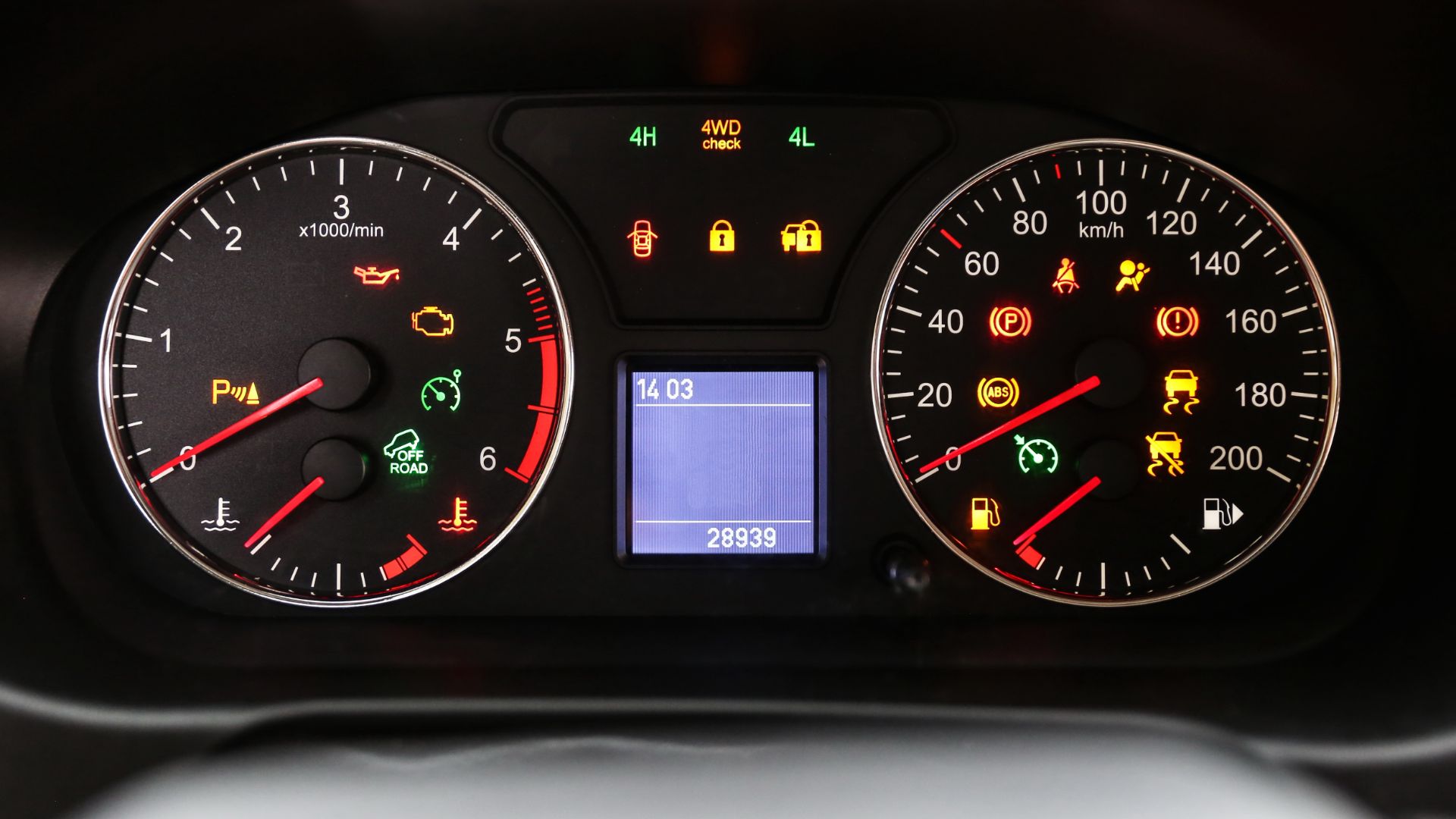
Dashboard lights can help, but they can also mislead you when you read them too narrowly. Many drivers see a battery icon and assume the battery has failed. In many cases, that lamp points to a charging system problem, and the alternator sits right in the middle of that system.
What the Car Battery Warning Light Usually Means
The car battery warning light does not mean the battery is automatically dead. It usually means the charging system is not keeping voltage where the vehicle expects it. That may involve the alternator, belt, wiring, battery terminals, or a control module, depending on the car.
A Toyota Camry, Ford F-150, or Chevy Malibu may keep running for a while after that light appears, which makes the problem feel less urgent. That is the trap. The car is running on stored battery power. Once that reserve drops, systems begin shutting down in a chain.
You might lose power steering assist, then dashboard screens, then ignition strength. On newer vehicles, electronic steering and safety systems add even more load. A glowing battery icon during a highway trip is not a polite suggestion. It is the car telling you the clock has started.
Why Warning Lights May Flicker Instead of Staying On
A flickering car battery warning light can feel less serious than a steady one, but it may be more useful. Flickering often shows the problem is intermittent. A loose belt, weak internal alternator component, corroded connector, or failing voltage regulator can create power drops that come and go.
That pattern matters because intermittent faults often pass a quick glance test. You open the hood, nothing looks broken, and the light disappears. Then it returns two days later during rain, heat, or stop-and-go traffic. Electrical weakness likes pressure. It waits until the system is loaded.
Many drivers ignore a flicker because the car keeps moving. That is understandable, but not wise. A flickering warning lamp is easier to diagnose before the alternator fully quits. Once the vehicle is dead on a tow truck, the repair path becomes less flexible and more expensive.
Sounds, Smells, and Belt Clues Point Under the Hood
Power symptoms get most of the attention, but your ears and nose can catch problems before the electronics collapse. The alternator works through moving parts, bearings, belts, pulleys, and heat. When those parts struggle, they often leave physical clues that have nothing to do with a dashboard screen.
A Charging System Problem Can Start With the Belt
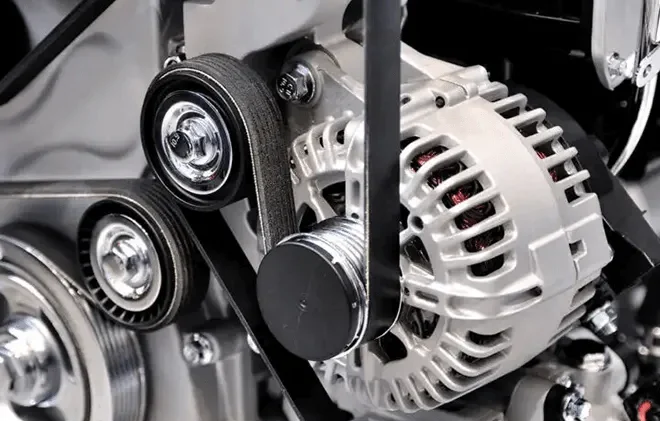
A charging system problem may begin with a slipping belt rather than the alternator itself. The belt spins the alternator pulley. If the belt loses grip, cracks, stretches, or becomes glazed, the alternator may not turn fast enough to produce steady power.
You may hear a squeal at startup or during sharp steering input if the same belt drives other accessories. In a humid Florida driveway or during a rainy Pacific Northwest morning, that sound may come and go. Moisture can make a weak belt more obvious, but the belt was already near the edge.
Here is the counterintuitive part: replacing an alternator without checking the belt can waste money. The alternator may be capable, while the belt fails to drive it well. A good shop checks belt condition, pulley alignment, and tension before calling the alternator guilty.
Burning Smells and Grinding Sounds Are Late Warnings
A hot electrical smell near the front of the engine bay should never be brushed off. Alternators create heat as they work, but a failing unit can overheat from worn bearings, internal resistance, or overloaded components. That smell may resemble hot wires, warm plastic, or burnt rubber if the belt is slipping.
Grinding or whining sounds can point toward worn alternator bearings. The sound may rise with engine speed, which helps separate it from brake noise or tire noise. A mechanic may use a listening tool near the alternator housing to confirm where the sound begins.
This stage deserves respect. Once heat and noise enter the picture, the problem is often past the “watch it for a week” phase. A noisy alternator can seize, damage the belt, or leave the car without charging power. Quiet problems are annoying. Loud electrical problems are warnings with teeth.
Repair Timing Matters More Than Many Drivers Expect
The worst alternator decisions usually come from waiting too long. Drivers want one more day, one more errand, one more commute. That thinking makes sense when money is tight, but electrical failure does not respect your schedule. It tends to pick the worst moment because that is when demand is highest.
Bad Alternator Symptoms Can Create Safety Risks
Bad alternator symptoms are not only about inconvenience. Weak charging can affect visibility, steering assist, fuel delivery, ignition strength, and electronic safety features. A car that feels fine at noon may become risky after dark in rain, when lights, wipers, defrosters, and cabin fans all pull power together.
A parent driving through suburban Dallas after soccer practice may notice the headlights dip, the radio cuts out, and the ABS light flashes. Each symptom alone might seem small. Together, they show the vehicle is shedding electrical strength while it still moves.
That is why repair timing matters. You do not need panic, but you do need action. When several signs appear together, keep trips short, avoid night driving, and schedule testing. Waiting for the car to fail completely removes your choice of shop, timing, and repair cost.
Testing Beats Guessing Every Time
A proper charging test checks battery condition, alternator output, voltage behavior, and sometimes ripple from the alternator’s internal diodes. That matters because not every weak-charge problem needs a new alternator. Corroded battery terminals, poor grounds, worn belts, and damaged wiring can create similar trouble.
Many U.S. auto parts stores offer basic battery and charging checks, while repair shops can go deeper when the issue hides under load. The better test happens with accessories turned on, not with the car sitting calmly in a bay. Real-world demand reveals weakness faster than a quiet idle.
You should also ask what caused the failure if the alternator is bad. Oil leaks, overtightened belts, heat, and poor cable connections can shorten a replacement part’s life. The repair is not complete when the new part bolts in. It is complete when the system can prove it charges cleanly under stress.
Conclusion
A reliable car is not silent because nothing is happening. It is silent because every system is doing its job without drama. Once lights flicker, warning lamps appear, accessories slow down, or strange smells reach the cabin, the vehicle has already started asking for help. Alternator failure deserves quick attention because it sits at the center of your running power supply, not at the edge of it. The smartest drivers do not wait for the final no-start moment. They test early, compare the battery and charging system together, and fix the real source before one weak part drags other systems down. Treat electrical symptoms as connected clues, not separate annoyances. Schedule a charging system test as soon as the first pattern appears, and let the diagnosis happen while the car still gives you choices.
Frequently Asked Questions
What are the first signs of a bad alternator in a car?
Dim headlights, a battery warning light, slow accessories, whining noises, and repeated dead battery problems are common early signs. The car may still start at first, which makes the issue easy to dismiss until the battery stops receiving enough charge.
Can a bad alternator drain a new battery overnight?
A bad alternator can leave a new battery undercharged, and some internal alternator faults may create parasitic drain. A new battery will not solve the problem if the charging system cannot refill it while the engine runs.
How long can you drive with the battery light on?
Driving time depends on battery charge, vehicle load, and weather conditions. You may have minutes or more than an hour, but the risk rises fast. Turn off nonessential accessories and head toward a safe repair location.
Why do my headlights get brighter when I press the gas?
Headlights may brighten with engine speed when the alternator produces better output at higher RPM. That pattern can point to weak charging at idle, belt slip, or an alternator that struggles under normal electrical load.
Is alternator replacement cheaper than battery replacement?
Battery replacement usually costs less than alternator replacement, but prices vary by vehicle. Larger trucks, luxury cars, and cramped engine layouts can raise labor costs. Testing first prevents replacing the cheaper part when it is not the problem.
Can AutoZone or another parts store test an alternator?
Many U.S. auto parts stores offer basic battery and charging system tests. These checks can spot common alternator problems, but intermittent faults, wiring issues, and belt-related trouble may need a full shop diagnosis under load.
What happens if an alternator fails while driving?
The car begins running on battery power alone. As voltage drops, lights may dim, screens may shut off, warning lamps may appear, and the engine may stall. Pull over safely before steering assist or ignition power becomes unstable.
Should I replace the belt when replacing the alternator?
A worn, cracked, glazed, or noisy belt should be replaced during alternator service. A weak belt can make a good alternator perform badly, so checking belt condition protects the repair and lowers the chance of another charging issue.