
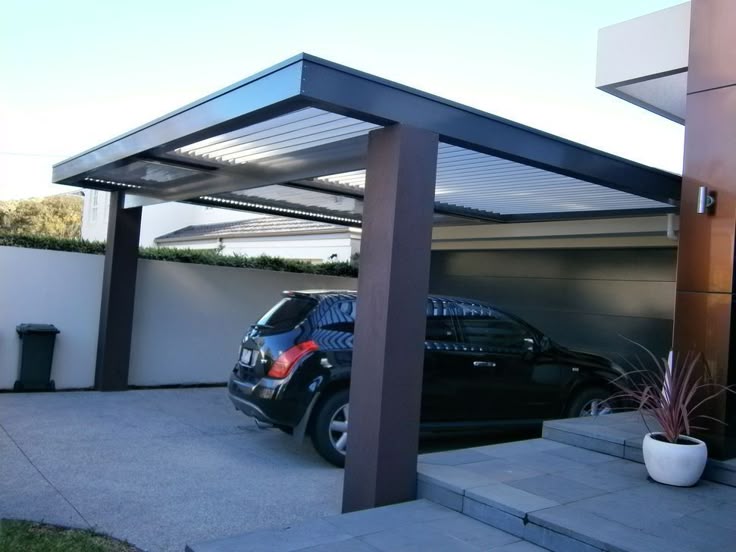
Top Apex Garage Place Ideas for Modern Homes
A garage can either protect the rhythm of your home or quietly sabotage it every morning. The difference rarely comes from square footage alone; it comes from whether the space has been planned around real habits instead of leftover items. Top Apex Garage Place Ideas for Modern Homes should begin with a simple truth: your garage is not a dumping zone with a door attached. It is a working room, a storage room, a transition room, and often the first place you see when you come home. When that space feels chaotic, the rest of the house absorbs the pressure.
A smart garage plan gives every item a reason to exist and every zone a job to perform. Through trusted home improvement resources such as smart property planning guidance, homeowners can think beyond shelves and hooks and start shaping garages that support cleaner routines, safer storage, and better use of valuable space. The goal is not perfection. The goal is a garage that works hard without demanding constant attention.
Apex Garage Place Ideas That Start With Real Daily Use
A garage fails when it is designed for an imaginary version of your life. You might admire spotless walls, matching bins, and showroom floors, but those details mean little if the space cannot handle school bags, muddy shoes, sports gear, tools, seasonal boxes, and the half-open trunk of a busy weekday. The strongest modern garage design starts by watching how people move through the space before deciding where anything belongs.
Modern garage design that follows your routine
A good garage layout begins at the door you use most. If you enter the house through the garage, that path deserves the same respect as a front hallway. Shoes need a landing spot, bags need hooks, and small daily items need a shelf that does not become a pile by Wednesday.
Modern garage design works best when it accepts human behavior instead of fighting it. Put grab-and-go items near the house entrance, keep bulky storage away from walking lanes, and leave enough open floor space for doors to swing without scraping bikes or bins. That sounds plain, but it solves more problems than a wall full of expensive accessories.
The counterintuitive move is leaving some space empty. Homeowners often rush to fill every wall, corner, and overhead rack, then wonder why the garage still feels tight. Empty space is not wasted space in a garage. It is breathing room for groceries, repairs, deliveries, and the odd project that takes over a Saturday.
Functional garage layout for cars, tools, and movement
A functional garage layout should make the largest object in the room behave well first. For most homes, that object is the car. Measure door clearance, walking width, trunk access, and the distance from the vehicle to stored items before buying any storage system.
Once the car zone feels right, build around it with purpose. Long-handled tools belong on narrow wall rails, not leaning in a corner like a future accident. Cleaning supplies need a contained cabinet. Power tools should sit near a work surface, while rarely used items can move higher or farther away from the main route.
One practical example is the two-lane garage method. One lane serves daily movement from driveway to house. The other lane handles storage, tool access, and occasional projects. Even in a single-car garage, this mental split helps you stop mixing every function into one messy middle zone.
Storage That Reduces Stress Instead of Hiding It
Storage is not the same as order. A garage packed with labeled bins can still be a problem if nobody knows what matters, what belongs together, or what should leave the house. Better storage starts with fewer categories, clearer access, and the courage to stop protecting items that no longer earn their space.
Home storage ideas that protect floor space
Strong home storage ideas lift weight off the floor without turning walls into visual noise. Wall-mounted rails, enclosed cabinets, pegboards, and ceiling racks all work when they serve a clear category. The problem starts when every system gets used for every kind of object.
Floor space carries more value than most people think. A clear floor makes sweeping easier, reduces pest hiding spots, and gives you room to handle real life without stepping over boxes. Store light seasonal décor overhead, keep heavy bins at waist height, and reserve low cabinets for items you reach often.
Home storage ideas also need limits. One shelf for paint supplies is useful. Three shelves of half-dried cans from projects you barely remember is clutter wearing a practical mask. The garage becomes calmer when storage decisions include removal, not only arrangement.
Garage organization tips for awkward items
Some items refuse to fit cleanly into normal storage: extension cords, kids’ scooters, garden hoses, sports nets, camping chairs, car-care tools, and holiday decorations with fragile pieces. These awkward objects create most garage mess because they do not stack well and they rarely return to the same place on their own.
Garage organization tips work better when they group items by motion rather than category alone. A scooter and a helmet belong together because they leave the garage together. Car wash soap, towels, tire cleaner, and a bucket belong in one mobile caddy because they move as a set. This small shift saves time because you stop hunting across four shelves for one task.
A sharp rule helps here: anything with a cord, strap, handle, or wheel needs a dedicated parking spot. Not a vague corner. Not “somewhere near the workbench.” A true spot. Garages become messy less from laziness than from decisions that were never made.
Materials, Lighting, and Finishes That Work Under Pressure
A garage is rougher than the rooms inside your home. Heat, dust, tire marks, moisture, sharp tools, and moving equipment all test the materials you choose. Pretty finishes matter, but only after they prove they can survive daily contact. The best upgrades feel quiet because they do their job without begging for care.
Durable surfaces for working garages
Flooring deserves careful thought because it handles the most abuse. Bare concrete can work, but it stains fast and sheds dust. Coatings, mats, and interlocking tiles each solve a different problem, so the right choice depends on how you use the garage. A car-heavy garage needs tire resistance. A project-heavy garage needs comfort underfoot and easy cleanup.
Walls matter too. Painted drywall looks cleaner than unfinished surfaces, but impact zones need protection. A narrow strip of wall paneling near tool areas can prevent dents. Moisture-resistant materials near laundry corners or utility sinks reduce future headaches.
Here is the part many homeowners miss: the most expensive finish is not always the smartest one. A garage is not a living room in disguise. Choose surfaces that can take a hit, clean easily, and still look decent after a few years of real use.
Lighting choices that change how the garage feels
Lighting can make a garage feel larger, safer, and more useful before you move a single shelf. Dim ceiling bulbs create shadows around tools, steps, and storage corners. Bright, even lighting changes the whole room because it removes the guesswork from every task.
Place light where work happens, not only where the builder left a fixture. A workbench needs focused light. Storage walls need broad coverage. The area near the house door needs clear visibility because that is where people juggle keys, bags, and groceries.
Modern garage design should treat lighting as part of the layout, not an afterthought. A homeowner who can see every zone clearly will maintain the space with less effort. Darkness hides clutter. Light makes decisions harder to avoid.
Turning the Garage Into a Long-Term Home Asset
A garage upgrade should do more than look neat for a weekend. It should raise the daily value of the home by making routines smoother, storage safer, and maintenance easier. When you design the space as a long-term asset, every choice becomes sharper because you stop asking, “Where can I put this?” and start asking, “Does this improve how the home works?”
Planning zones for hobbies and household tasks
A garage can support hobbies without becoming a hobby warehouse. Woodworking, cycling, gardening, fitness, car care, and repair tasks all need defined edges. Without boundaries, one interest spreads across the room and slowly eats the space everyone else depends on.
Create zones with surfaces, storage, and rules. A workbench zone needs tool access and cleanup space. A gardening zone needs washable storage and a place for soil, gloves, and small pots. A fitness zone needs open clearance, airflow, and no overhead hazards.
The unexpected insight is that smaller zones often work better than bigger ones. A tight, well-planned hobby corner beats a sprawling setup that blocks parking, storage, and daily movement. Discipline makes the space more useful, not less.
Maintenance habits that keep the space working
No garage system survives without maintenance habits. The good news is that maintenance does not need to feel like a second job. A ten-minute reset once a week can protect the whole layout if every item has a clear home.
Garage organization tips should include exit rules. When something enters the garage, it needs a category within a day. Donation items need a bin that leaves the house monthly. Tools return before the project ends, not weeks later. Seasonal gear gets reviewed before it goes back overhead.
A functional garage layout becomes easier to protect when the system is visible. Labels help, but labels alone do not save a bad plan. The real test is whether another person in the house can put things back without asking where they belong.
Conclusion
A better garage is not built from one dramatic makeover. It comes from a series of firm choices that respect how you live, how you move, and what your home needs from this often ignored room. The smartest upgrades make the space calmer before they make it prettier. They remove friction from daily life, give tools and storage a clear role, and stop clutter from creeping into every open corner.
Top Apex Garage Place Ideas for Modern Homes should leave you with one practical challenge: walk into your garage and name the job of every zone. If a corner has no job, assign one. If a shelf carries things you no longer use, clear it. If the main path feels tight, protect it first. Start with the area nearest your house door, because that one change will touch your routine every day. Build the garage around real movement, and the whole home begins to feel better from the moment you arrive.
Frequently Asked Questions
What are the best garage place ideas for small modern homes?
Start by protecting floor space and using vertical storage. Wall rails, narrow cabinets, ceiling racks, and fold-down work surfaces help a small garage hold more without feeling packed. Keep daily items near the house door and move seasonal storage higher.
How can modern garage design make a home more organized?
Modern garage design works by giving every zone a clear role. When tools, sports gear, car supplies, shoes, and seasonal items each have assigned places, the garage stops collecting random piles and starts supporting smoother daily routines.
What home storage ideas work best for a busy family garage?
Use open hooks for daily gear, closed cabinets for chemicals, labeled bins for seasonal items, and one donation box for outgoing clutter. A busy family garage needs fast access more than perfect styling, so choose systems people can follow under pressure.
How do I create a functional garage layout without remodeling?
Measure your car clearance, walking paths, and most-used storage areas first. Move daily items closer to the house entrance, shift rare items higher, and clear the center floor. A functional layout often comes from rearranging, not rebuilding.
What garage organization tips help reduce clutter fast?
Remove anything broken, expired, duplicated, or unused in the last year. Then group what remains by activity, not by random shelf space. Store car care together, gardening together, sports gear together, and tools near the work area.
How can I make my garage look cleaner without spending much?
Paint the walls, improve lighting, remove floor clutter, and match storage containers where possible. Clean lines matter more than luxury materials. Even simple wall hooks and one closed cabinet can make the space feel more controlled.
What should not be stored in a garage?
Avoid storing delicate fabrics, paper keepsakes, open food, temperature-sensitive paint, and valuables that moisture or heat can damage. Chemicals should stay sealed and away from children or pets. When in doubt, store fragile items inside the home.
How often should a modern garage be reorganized?
Review the garage every season and reset high-use areas weekly. Seasonal checks catch items before they pile up, while short weekly resets keep the layout from falling apart. Small maintenance beats one exhausting cleanup every year.